Dec 04, 2025 | Couture AI Team
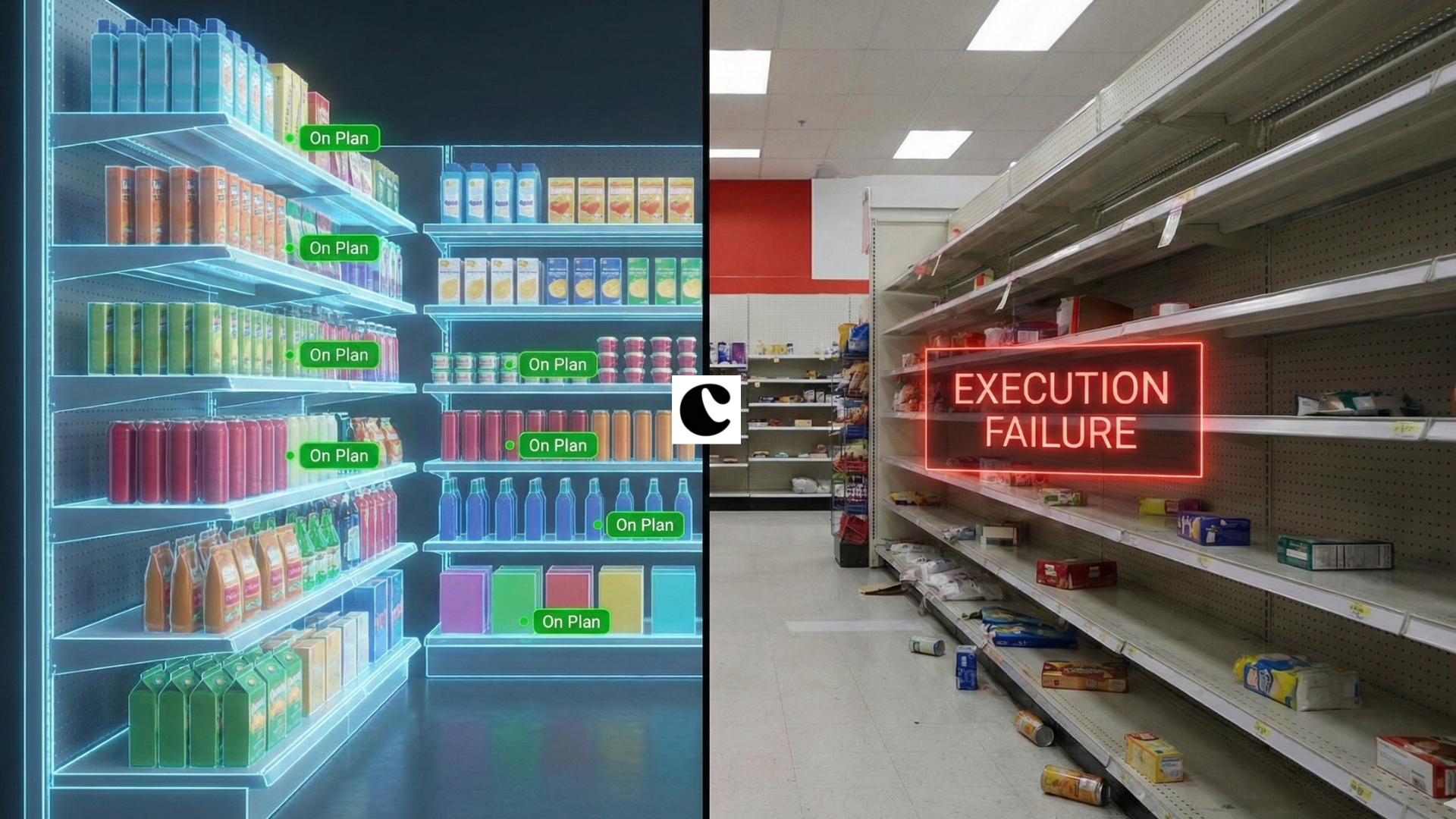
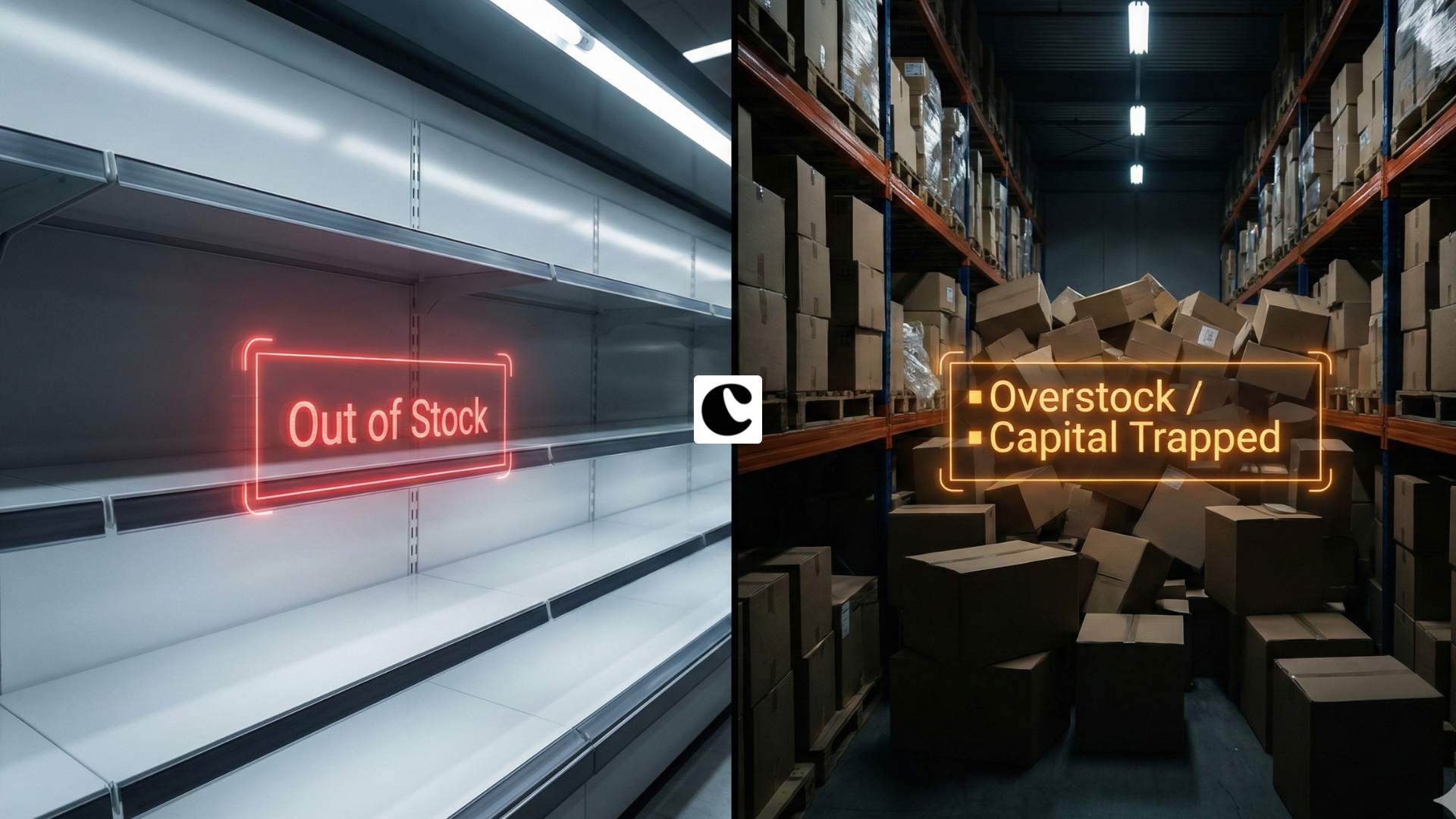
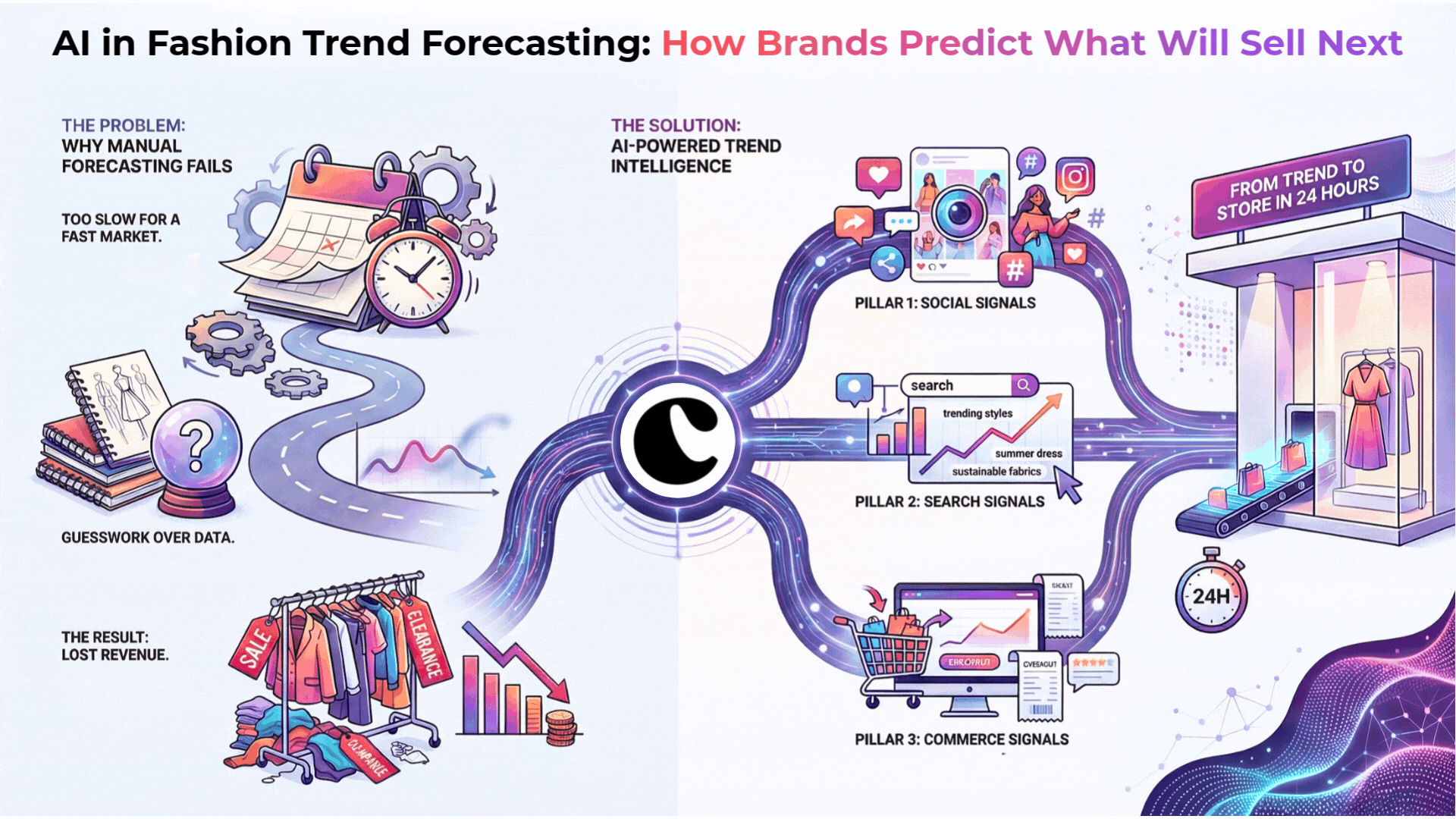
Most brands spot a trend only after customers do. By the time a merchandising team meets, debates, collects samples, and aligns on a direction, the market has already moved. The result is predictable: late launches, missed demand, and heavy markdowns.
The real question is simple.
How do you know what will sell next before it becomes obvious?
This is where AI-powered fashion trend forecasting becomes essential. Instead of relying on intuition or seasonal calendars, AI reads real signals, in real time, from millions of shoppers. It gives brands an early view of where the market is heading while there is still time to act.
Couture.ai calls this layer Trend Intelligence.
AI trend forecasting uses machine learning, computer vision, and behavioral data to predict rising styles, colors, silhouettes, and product attributes. Instead of opinions, it works on patterns buried inside social content, search behavior, and commerce performance.
For fashion teams, this shifts the game from reactive to predictive. It replaces guesswork with quantifiable signals. And it creates a faster, more accurate foundation for merchandising, design, and planning decisions.
For a broader industry context, see McKinsey’s view on real-time retail decisioning.
Social platforms are the earliest indicators of what is catching on. AI scans creator content, influencer clusters, and style communities. It identifies patterns like color dominance, new fits, or rising aesthetics. The key indicator is engagement velocity.
If a micro-style starts spreading fast across specific audience pockets, it is an early trend. Humans cannot track this level of detail. AI can.
Search data shows what people are trying to discover. Queries like “red cargo skirt” or “oversized denim jacket women” often rise weeks before sales follow.
AI monitors these shifts, detects long-tail modifiers, and adjusts for seasonality. It turns random queries into a predictable demand curve.
The strongest indicator of a trend is the one closest to the transaction.
These signals help identify what is converting today and what is about to break out tomorrow.
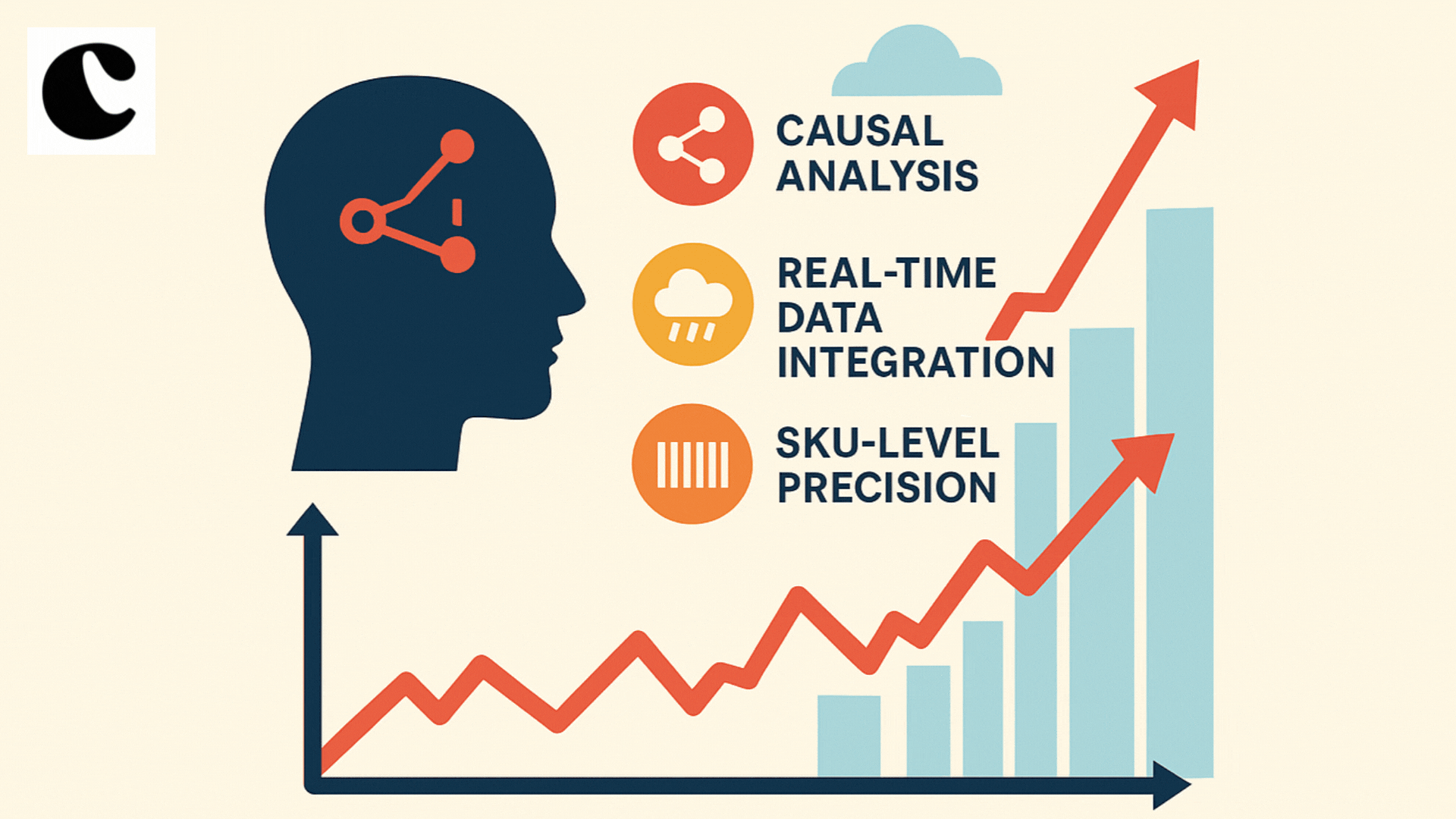
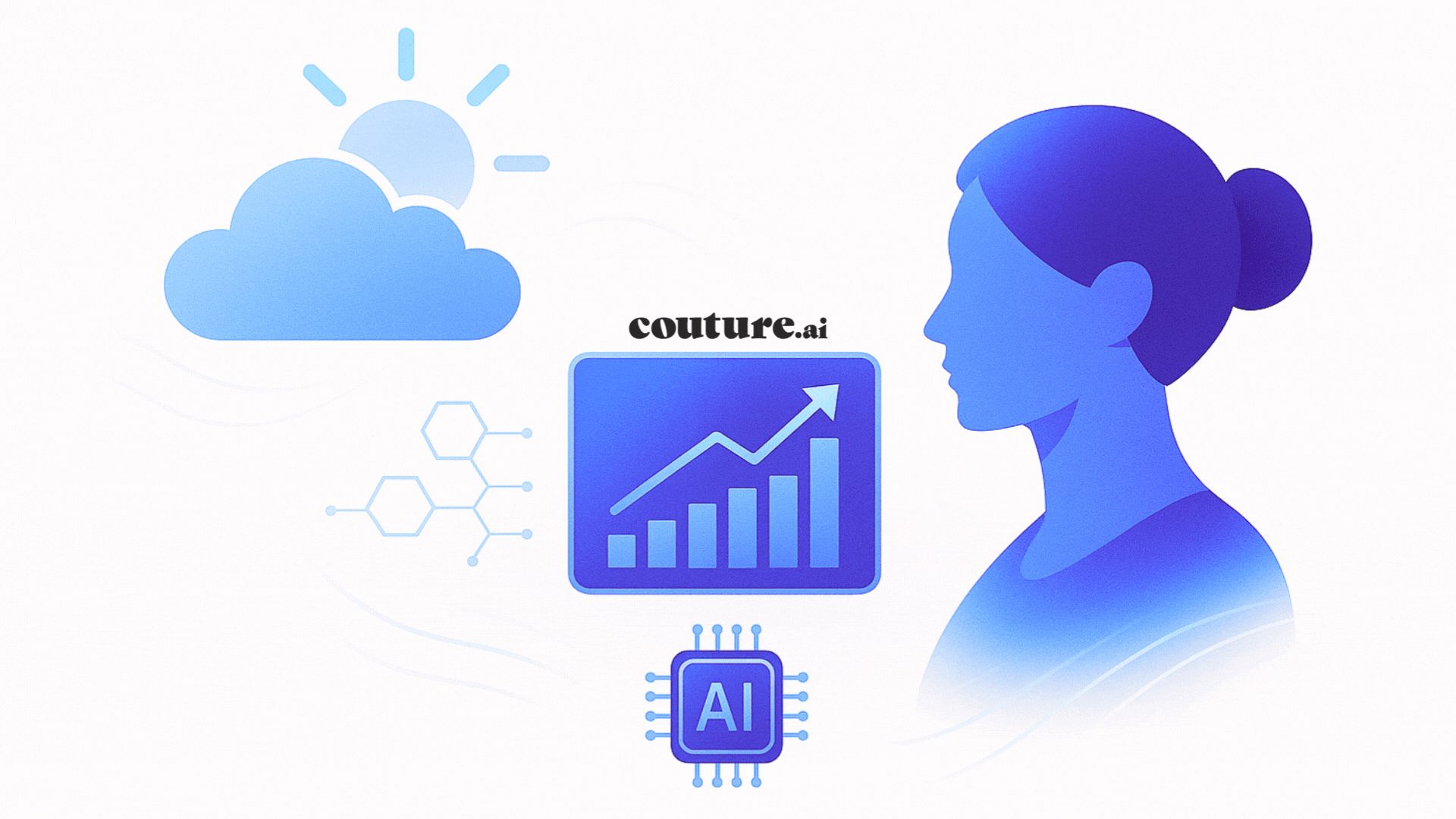
Couture.ai blends all three layers into a unified signal graph that shows what is emerging, accelerating, or fading.
The strength of AI is not just in collecting data.
The result is a forecast built on observable market behavior, updated continuously, and accurate at the SKU and regional levels.
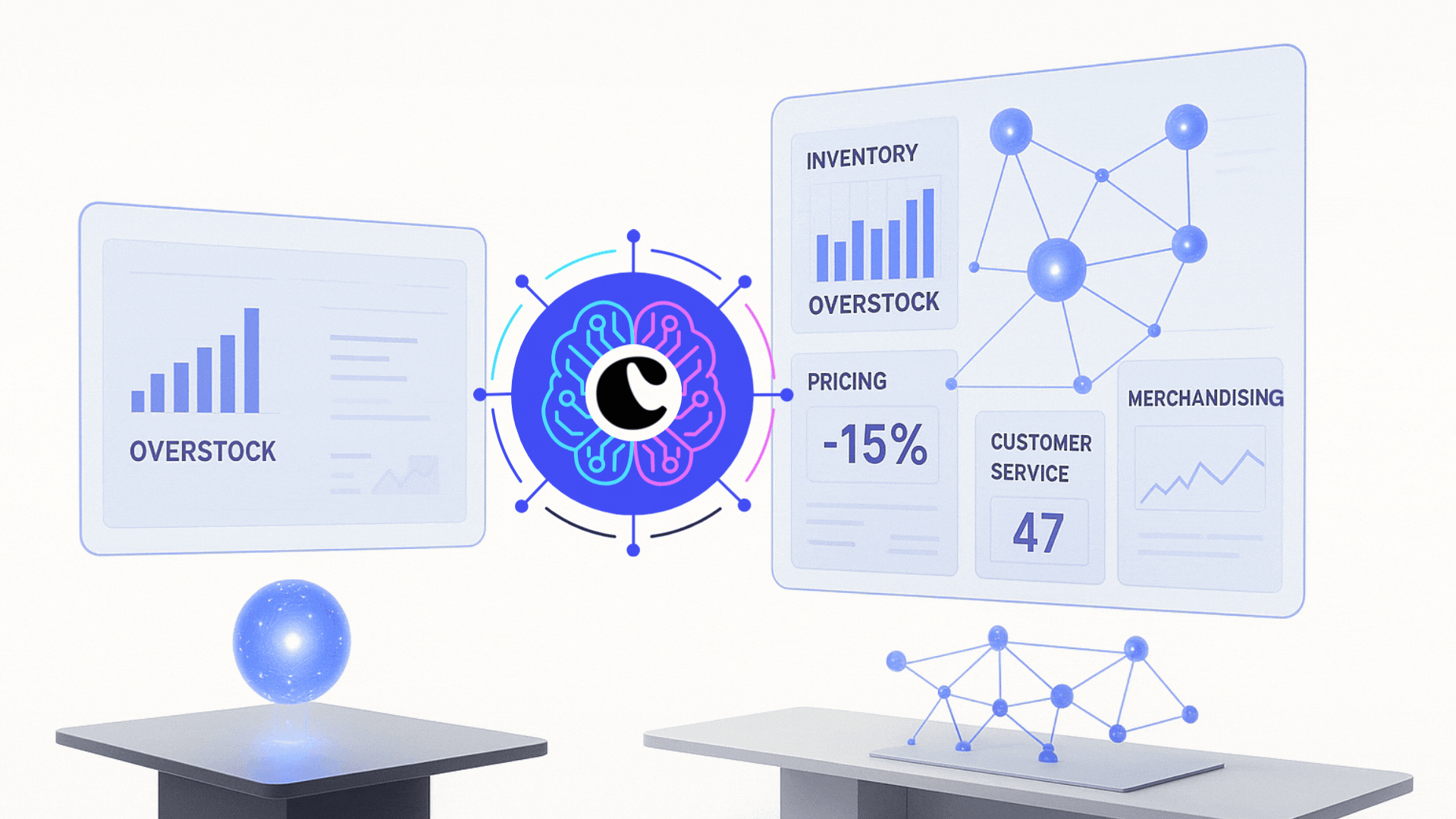
This intelligence flows into Couture.ai’s MCP Unified Intelligence Layer, giving every downstream merchandising step a consistent and reliable starting point.
Even the most experienced teams face structural limits.
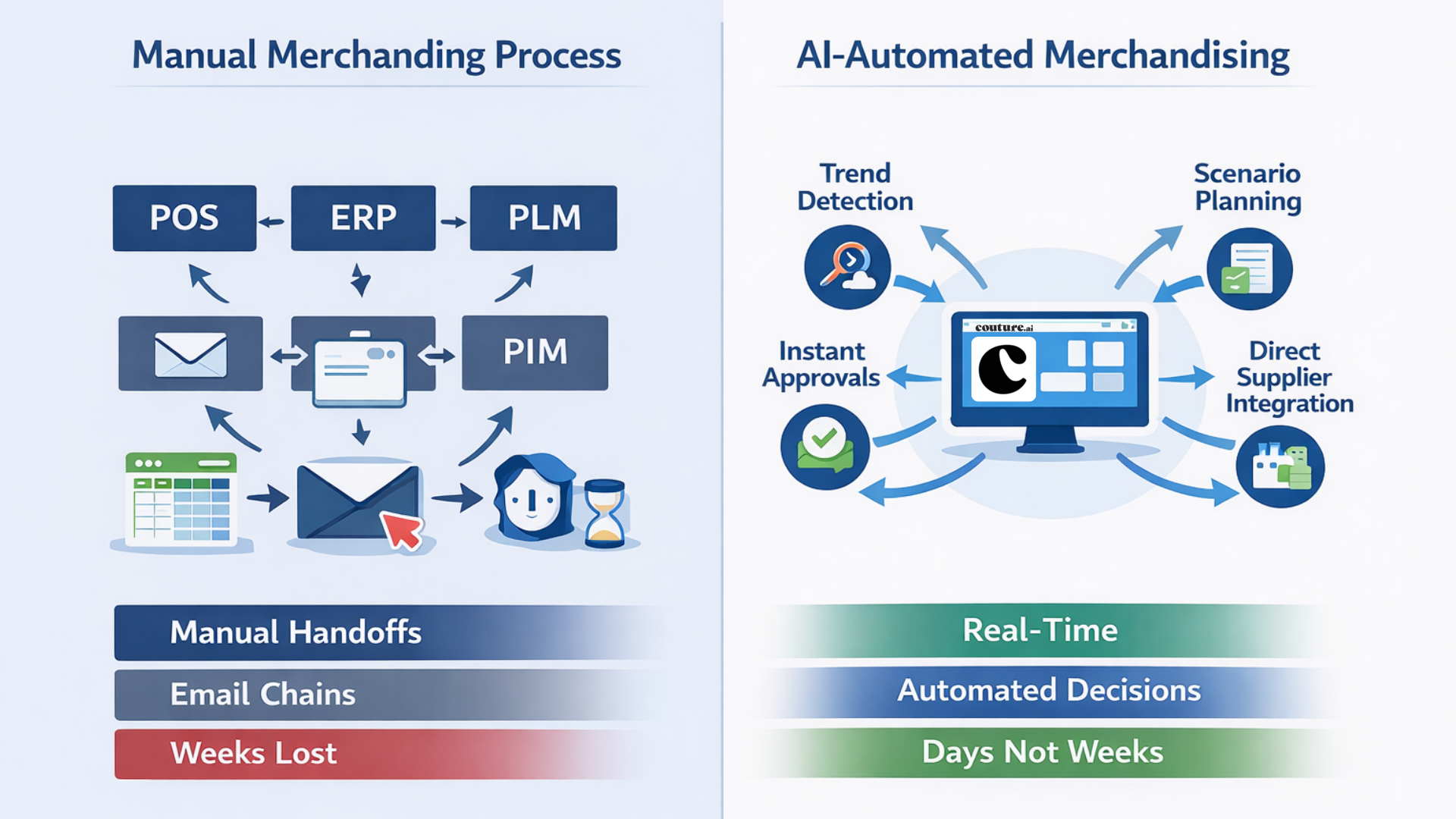
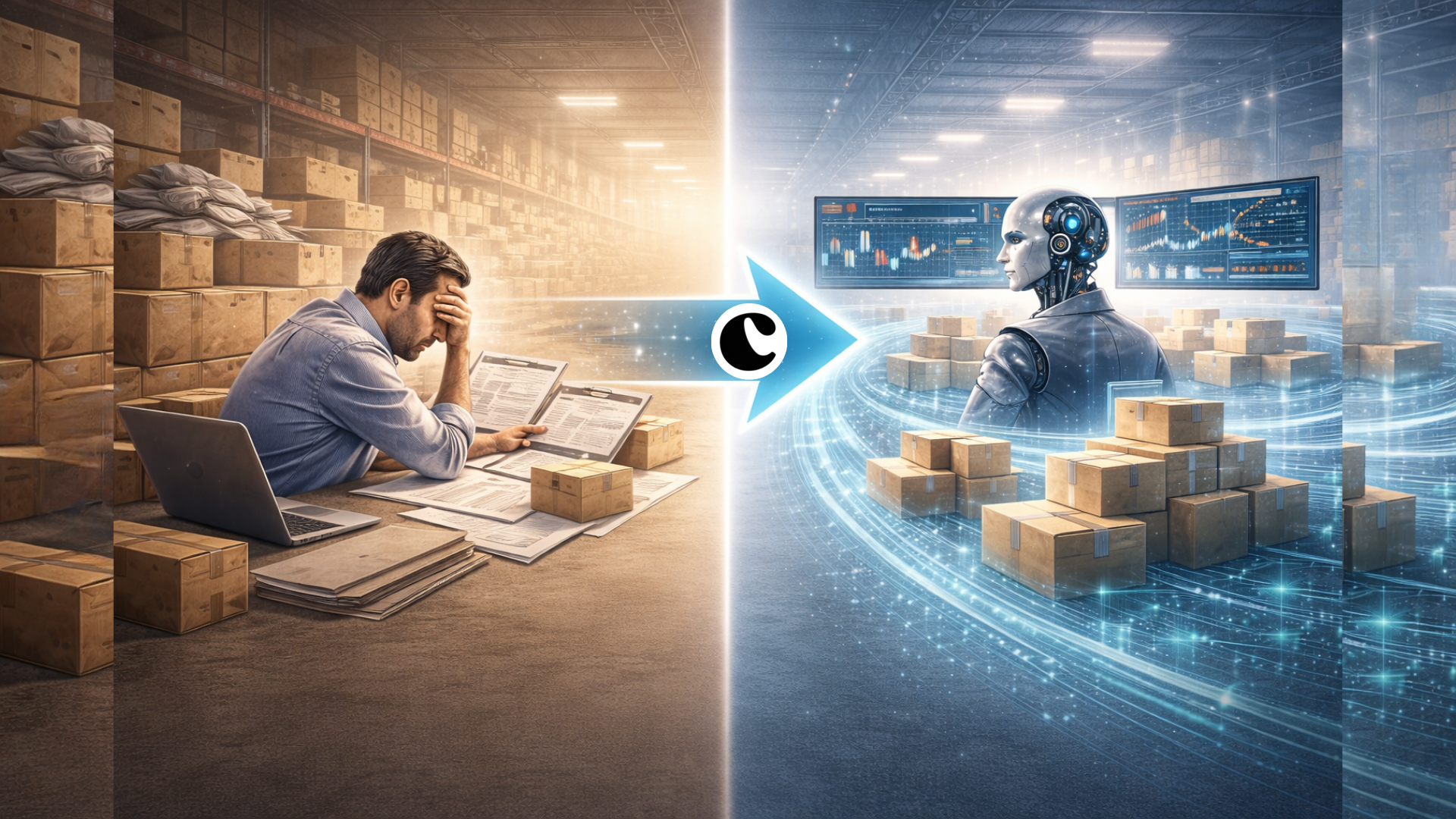
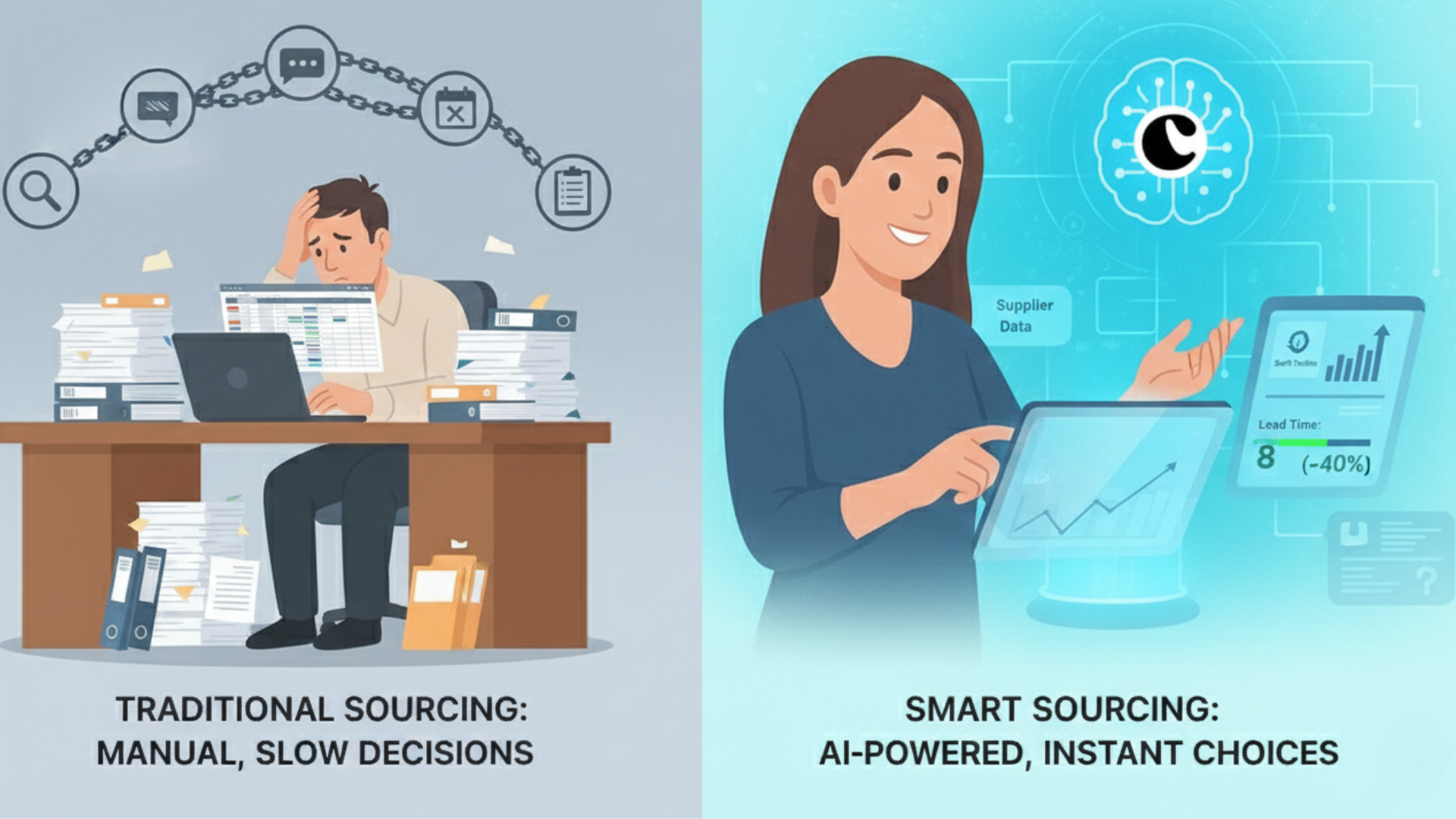
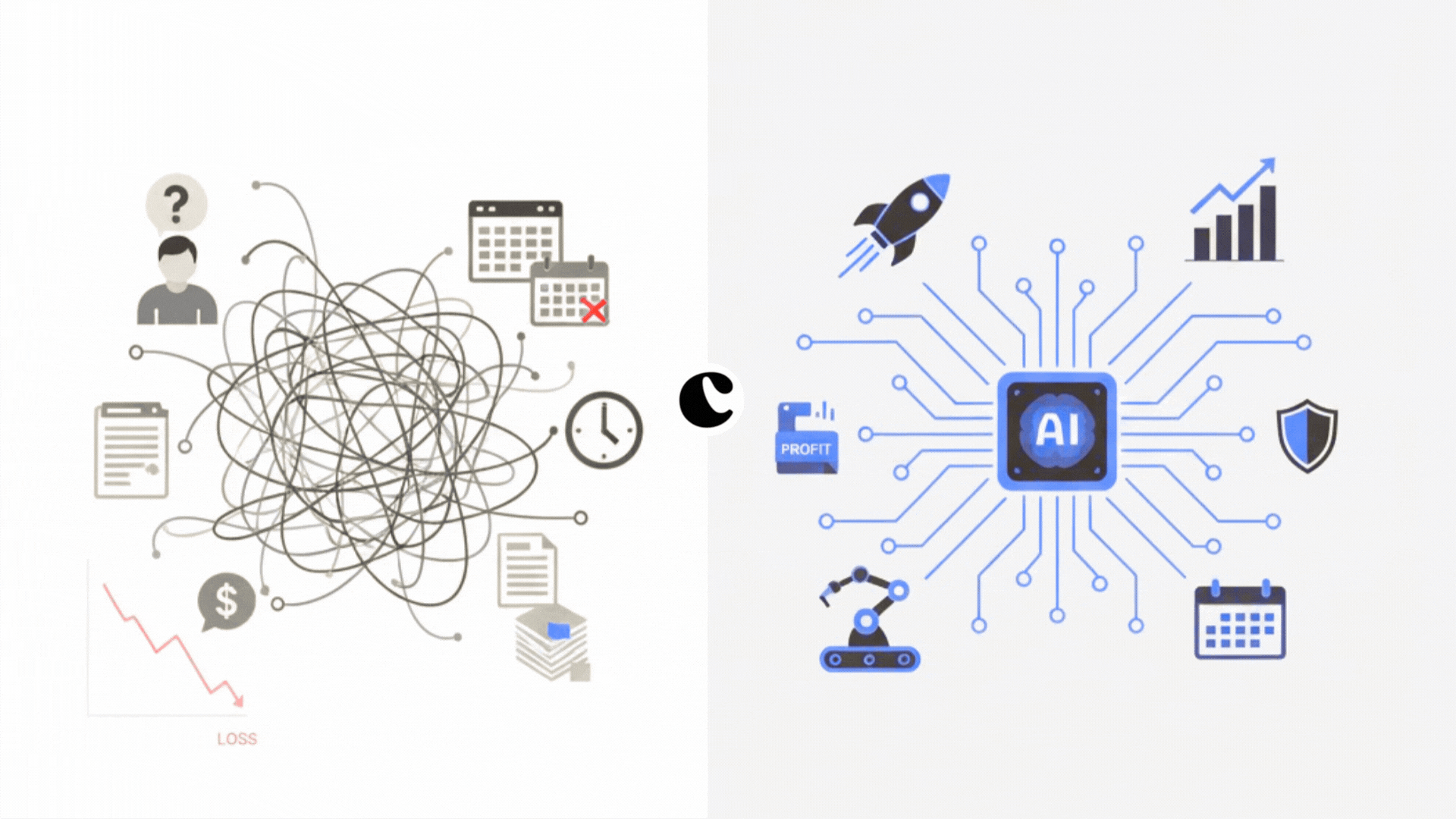
Manual systems work at human speed. AI operates at market speed. The gap between those two speeds is where the margin is lost.
For a deeper explanation, read: Why Manual Merchandising Misses Trends

Trend detection is only valuable when it turns into coordinated action. This is where most tools fall short, and Couture.ai differentiates.
Across retailers adopting AI Trend Intelligence, common patterns emerge:
These outcomes are not luck. They are signals interpreted at scale.

Forecasting is only the beginning. The real value comes when insights turn into execution.
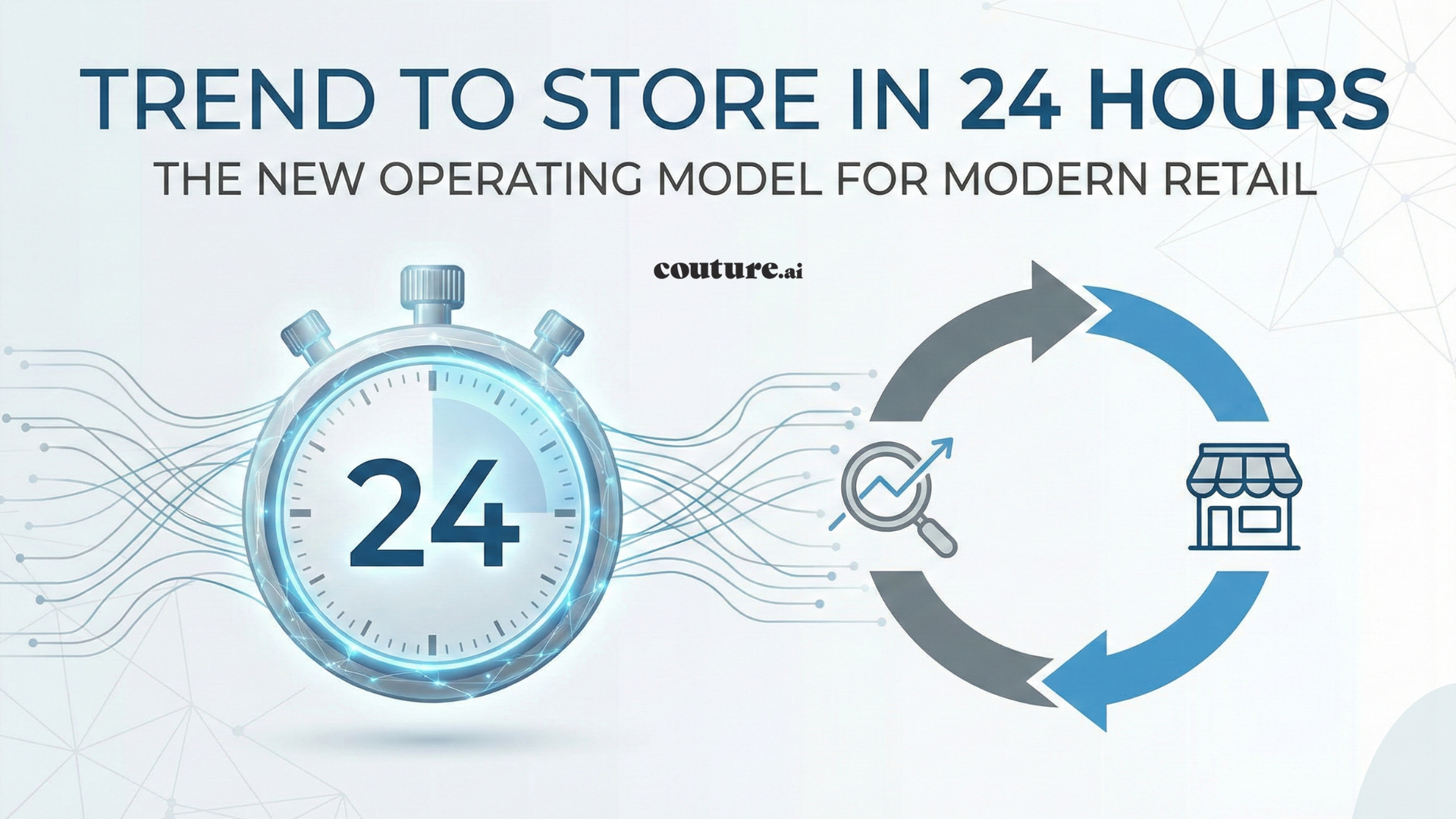
This creates a fast loop where trend → product → store can move in under 24 hours in workflows where systems are fully integrated and approvals are aligned.
It is not reporting. It is an autonomous action.
A simple readiness checklist:
You do not need a full transformation to begin. You need a starting point and a unified intelligence layer.
The next bestseller will not be the product that got lucky.
It will be the product shaped by signals detected weeks before mainstream visibility.
AI fashion trend forecasting gives brands the ability to act while demand is forming, not after it peaks.
Couture.ai’s Trend Intelligence helps retailers see what is coming, understand the drivers, and move from trend identification to live SKU execution with unmatched speed.
It is the use of machine learning, computer vision, and behavioral signals to predict rising fashion trends before they appear in sales data.
Retailers using real-time social, search, and commerce signals often see significant improvements in forecast accuracy.
A combination of social, search, and commerce signals delivers the earliest and strongest visibility.
No. AI removes blind spots and gives merchandisers cleaner, earlier signals so decisions become faster and more confident.
Start with one category, integrate early trend signals into buying and planning, and scale once the impact becomes clear.
Subscribe to get the latest updates and trends in AI, automation, and intelligent solutions — directly in your inbox.
Stay Informed: Insights and Trends from Couture AI
Reduce operational complexity, improve planning accuracy, and deliver smarter retail execution with Couture AI.