Dec 03, 2025 | Couture AI Team
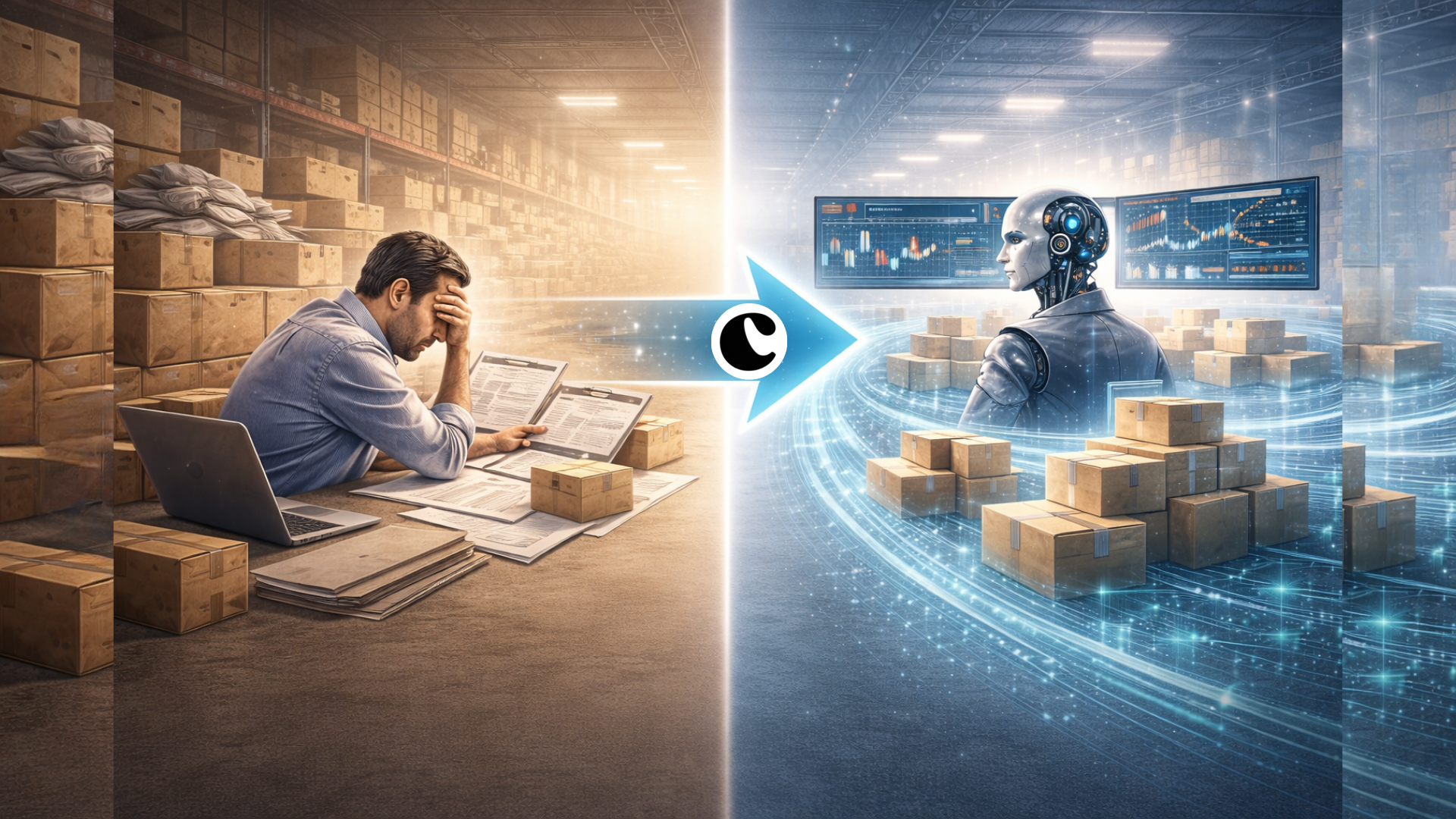
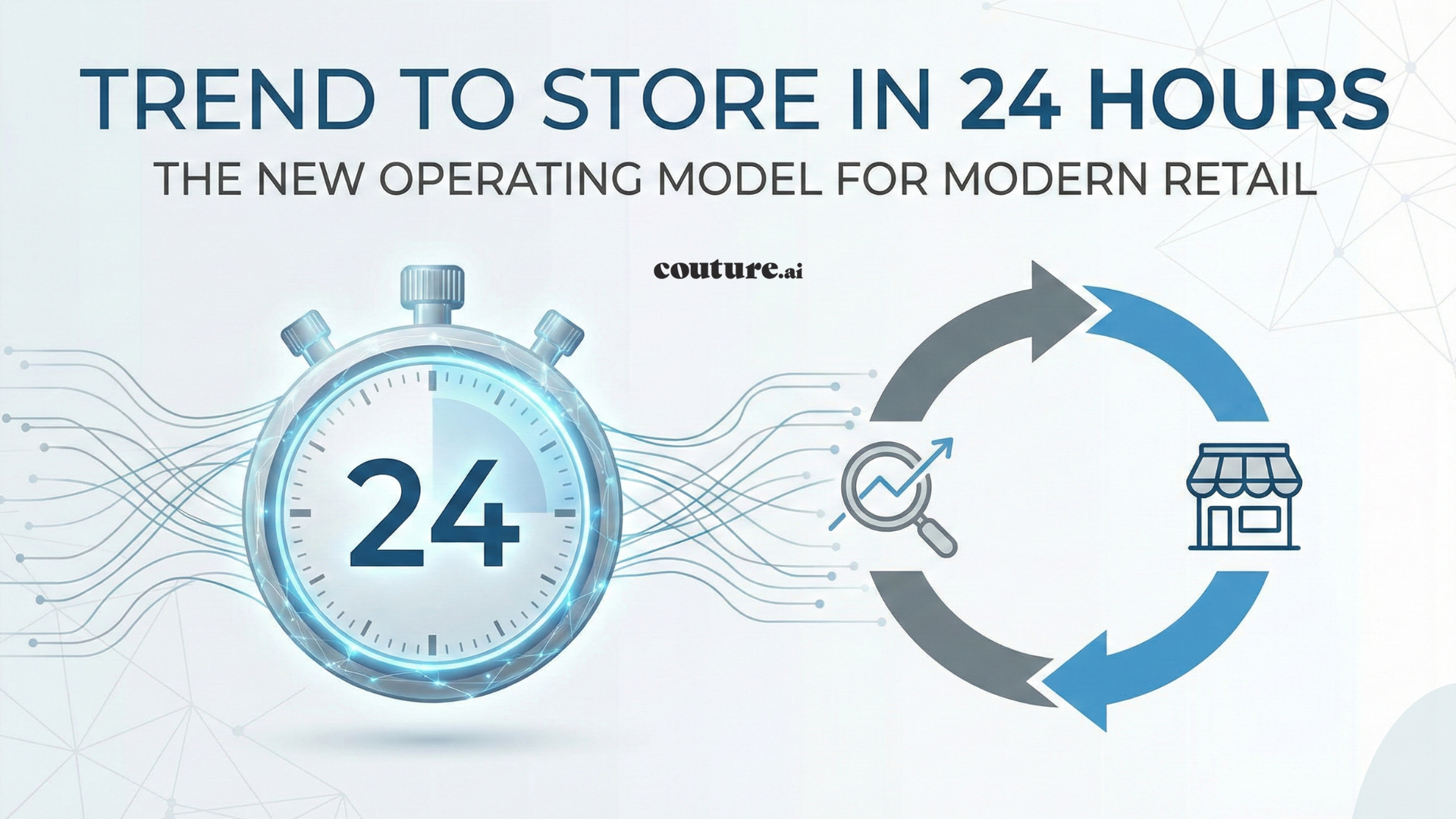
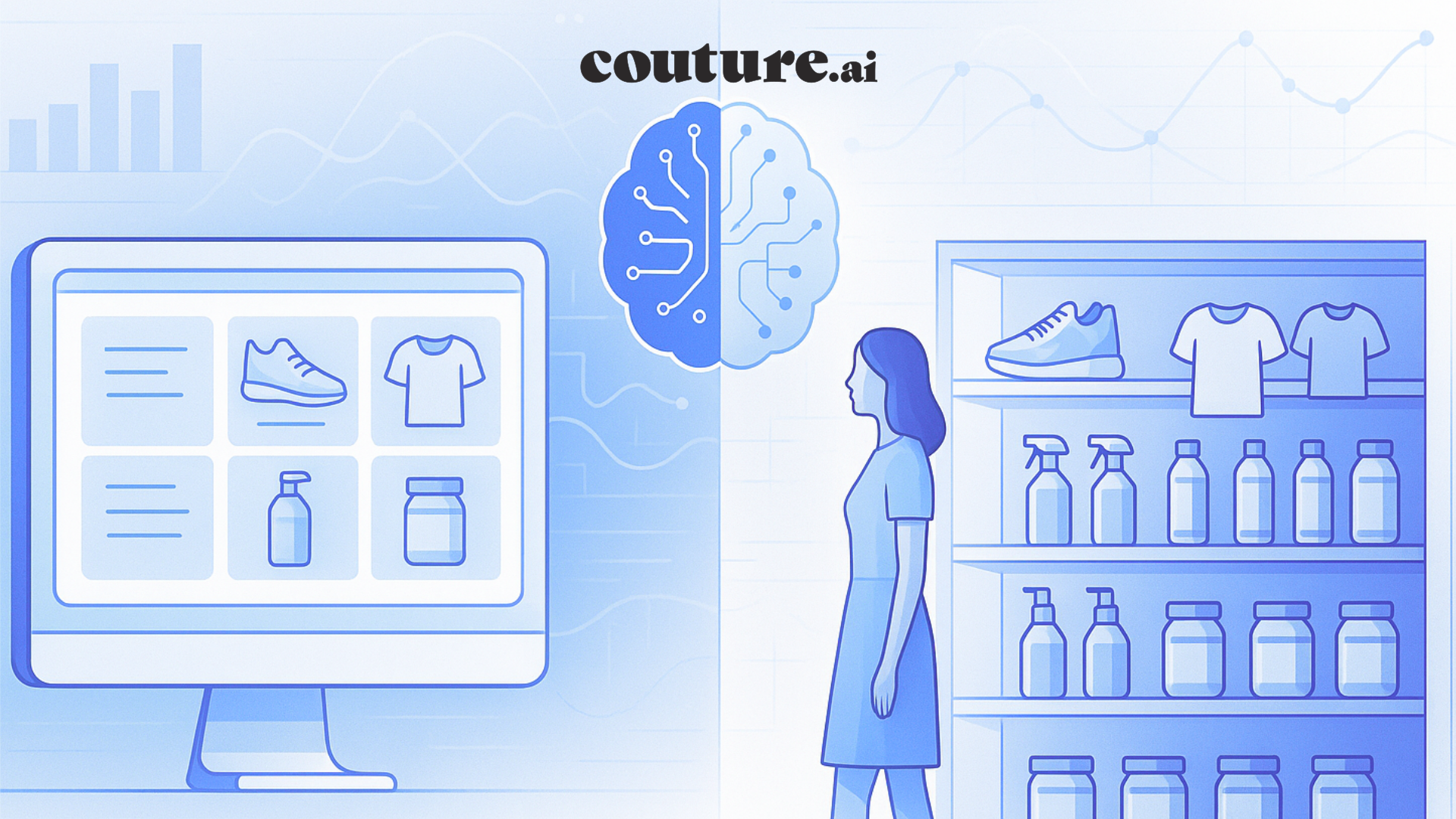
Retail now moves at a different speed. Trends shift overnight. Customers shop across channels at once. SKU counts rise every quarter. Yet most merchandising cycles still follow calendars designed for 2012.

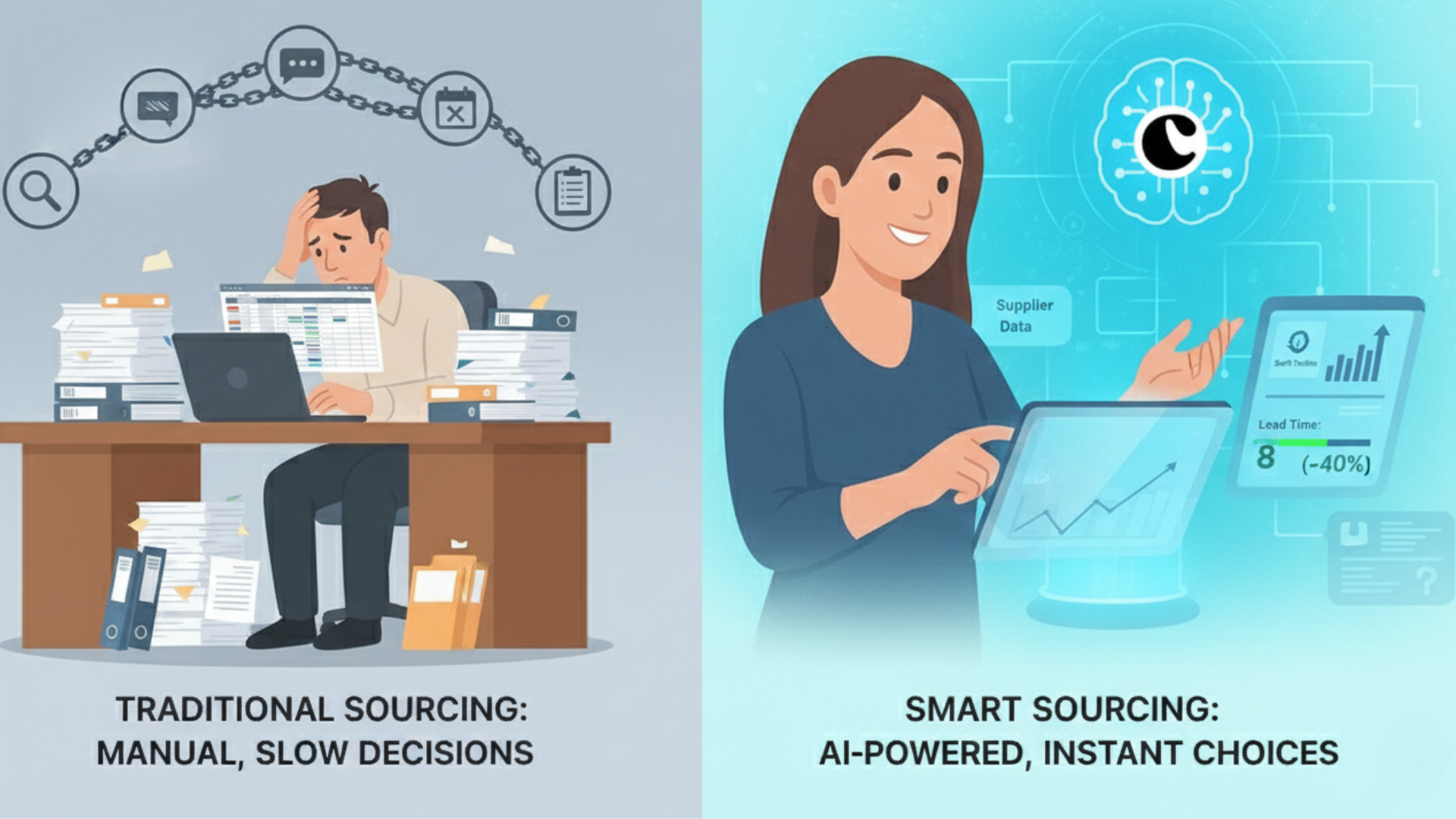
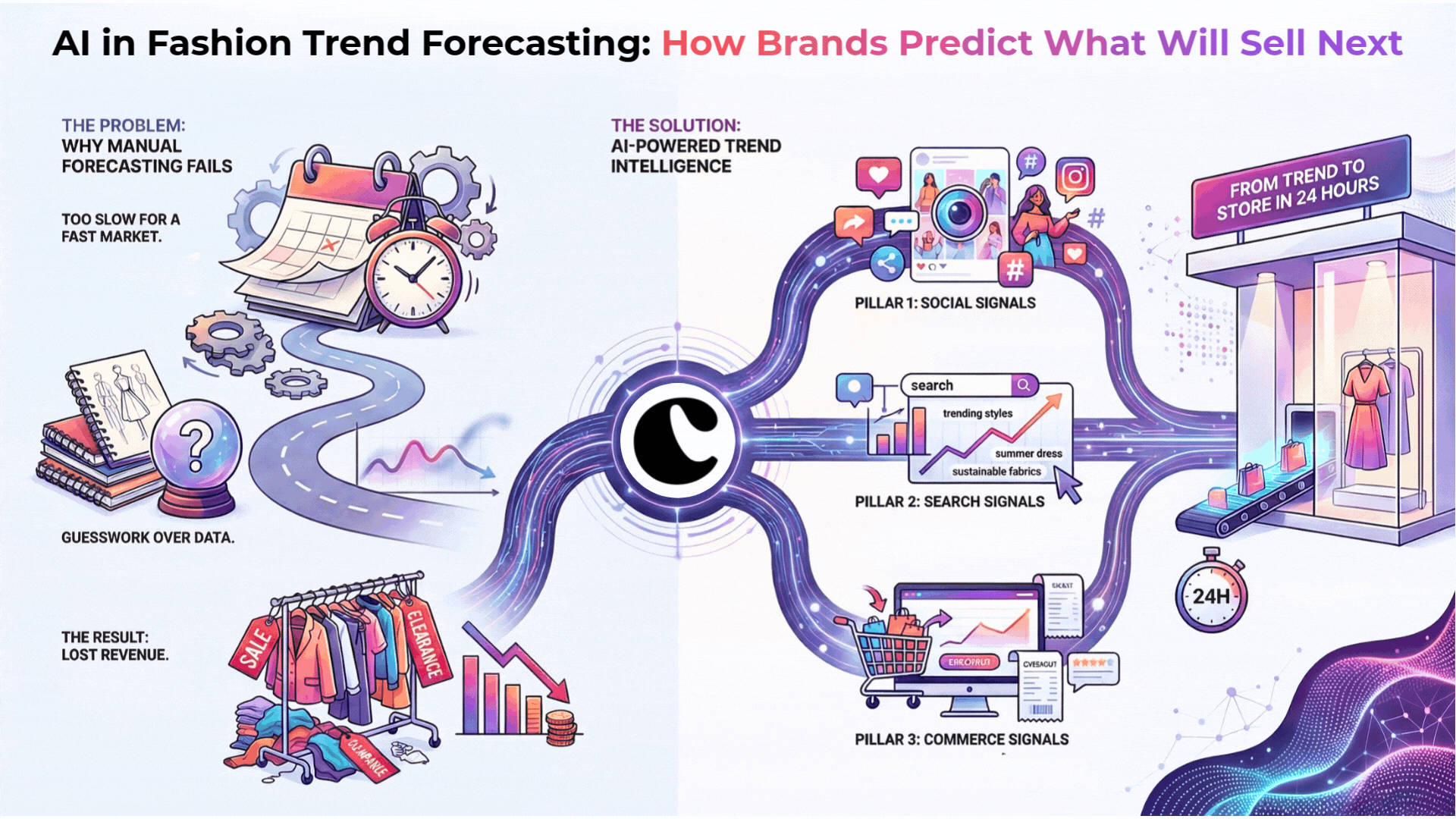
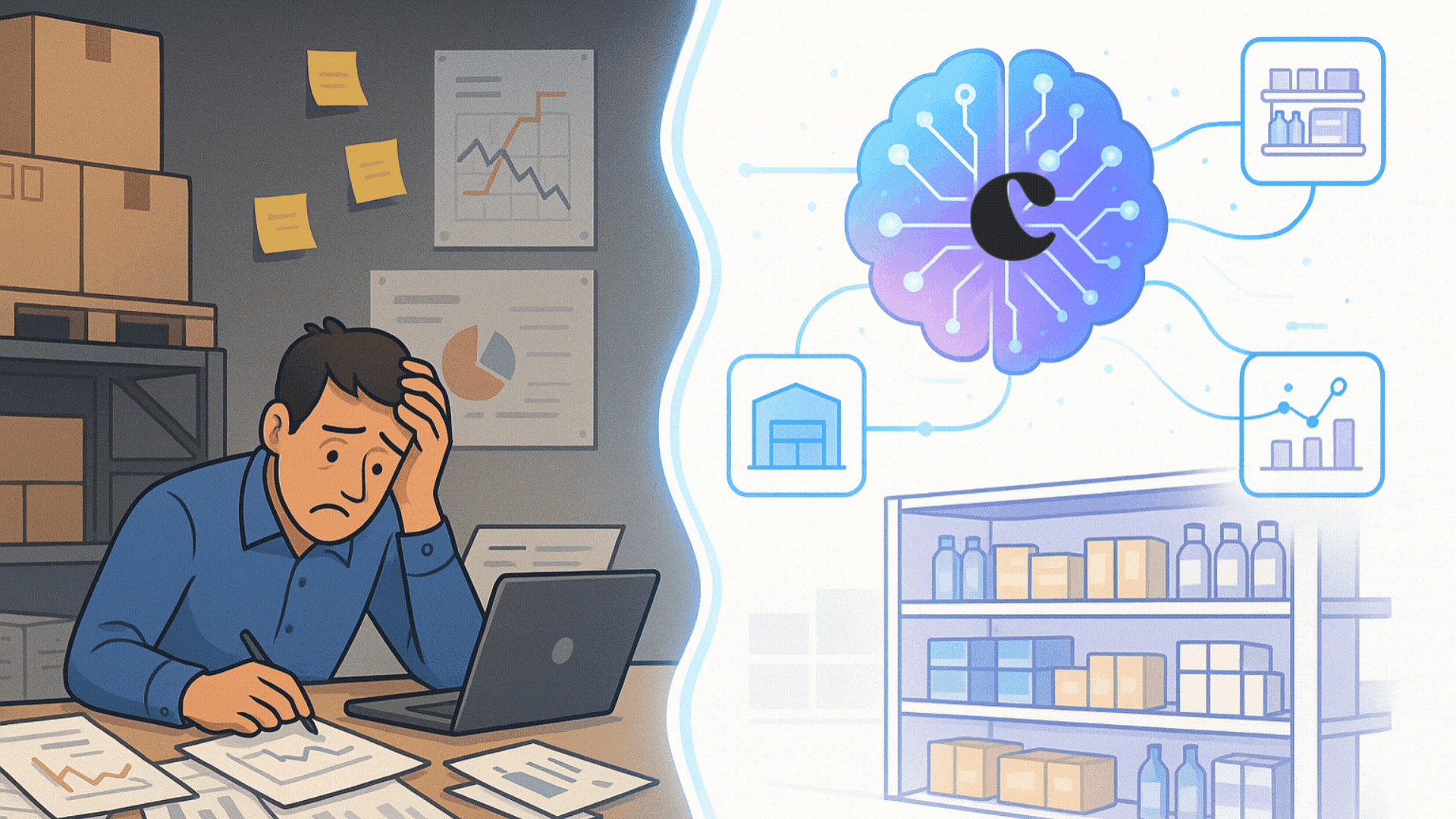
Inside planning rooms, the gap shows every season. Teams track trends manually, coordinate with vendors over long loops, generate product content with backlogs, and push assortments into stores weeks behind demand. By the time the cycle completes, the customer has already moved on.
The merchandising model was never built for this pace. That is why leading retailers are redesigning the cycle itself. Not by adding tools or hiring more planners, but by rethinking how decisions move from trend to store.
This shift is becoming one of the strongest competitive advantages in retail.
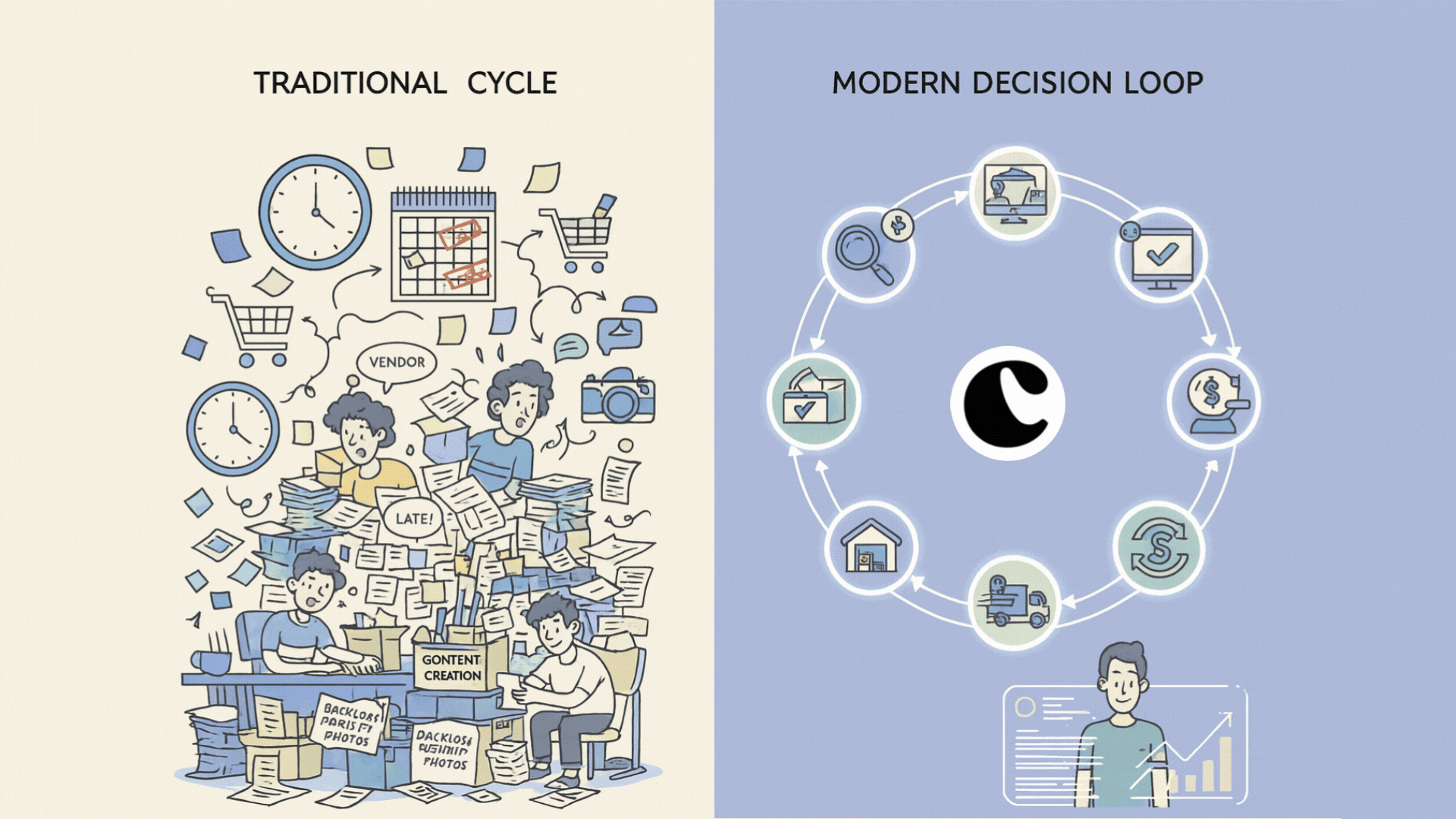
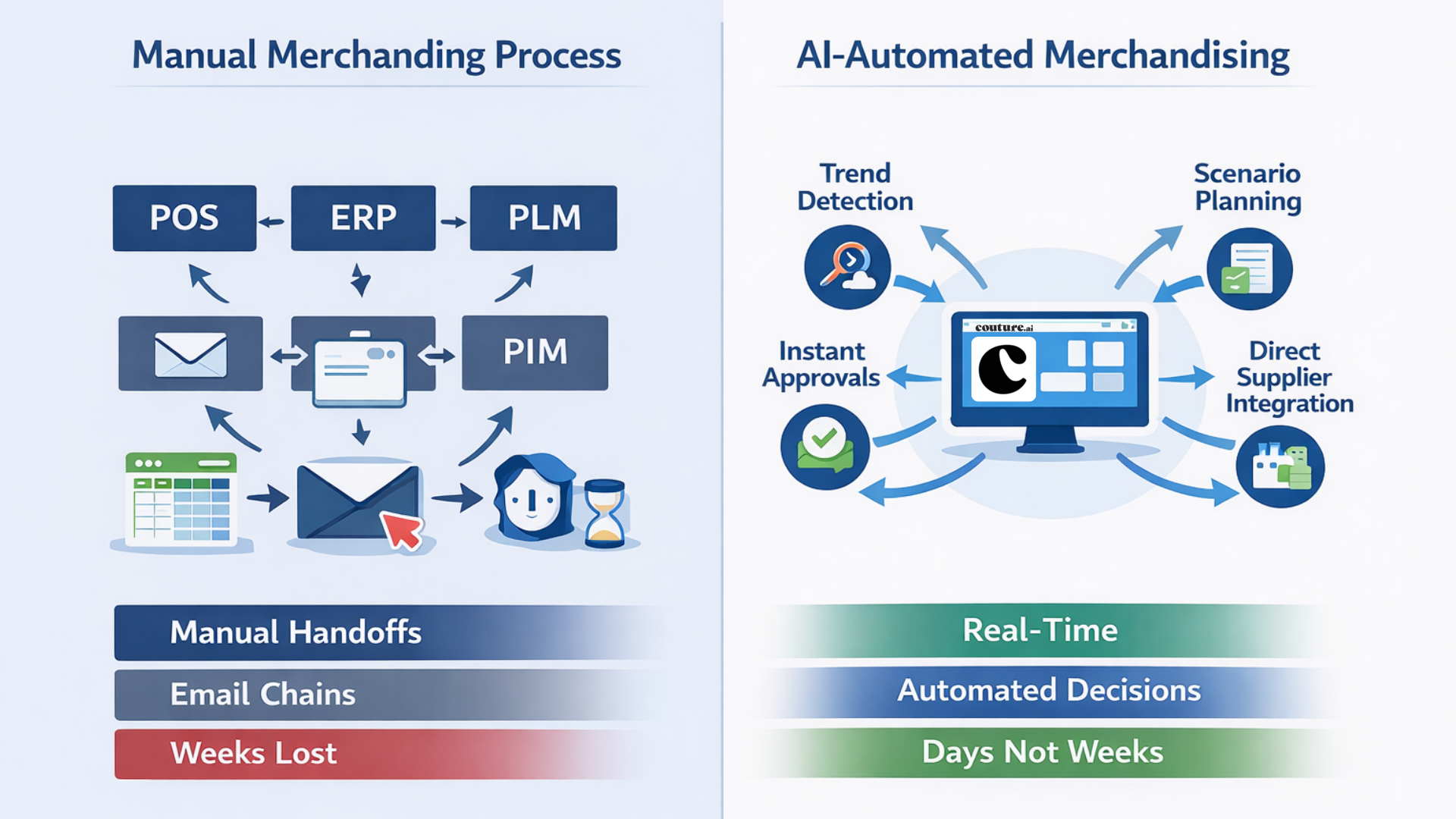
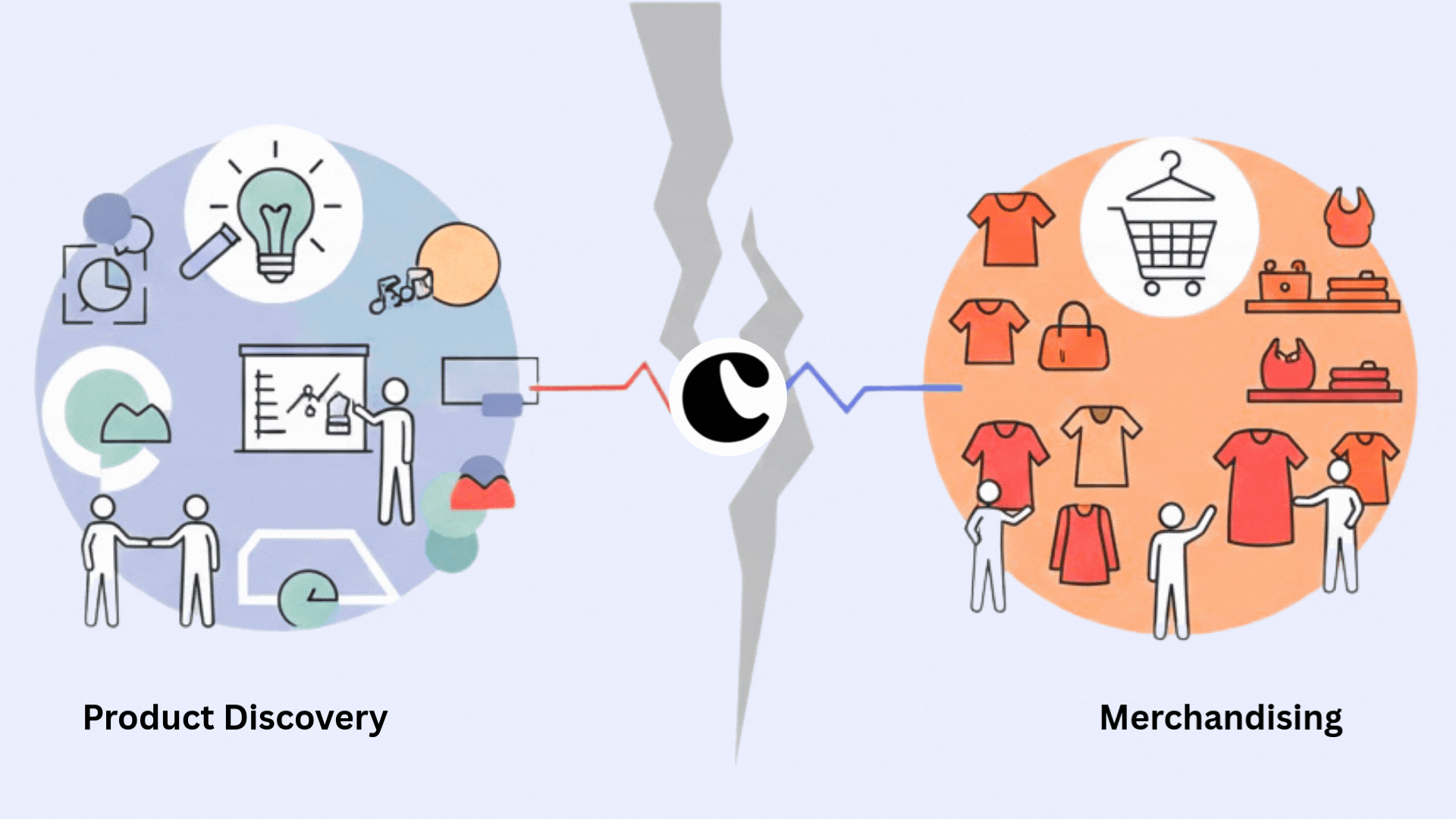
Most teams still run a sequence that looks like this:
Trend spotting → buying decisions → content creation → listing → store planning → allocation → pricing.
According to a BCG report on retail operating models, more than 60 percent of retailers still run merchandising on disconnected workflows that slow execution and reduce visibility across buying, planning, and allocation.
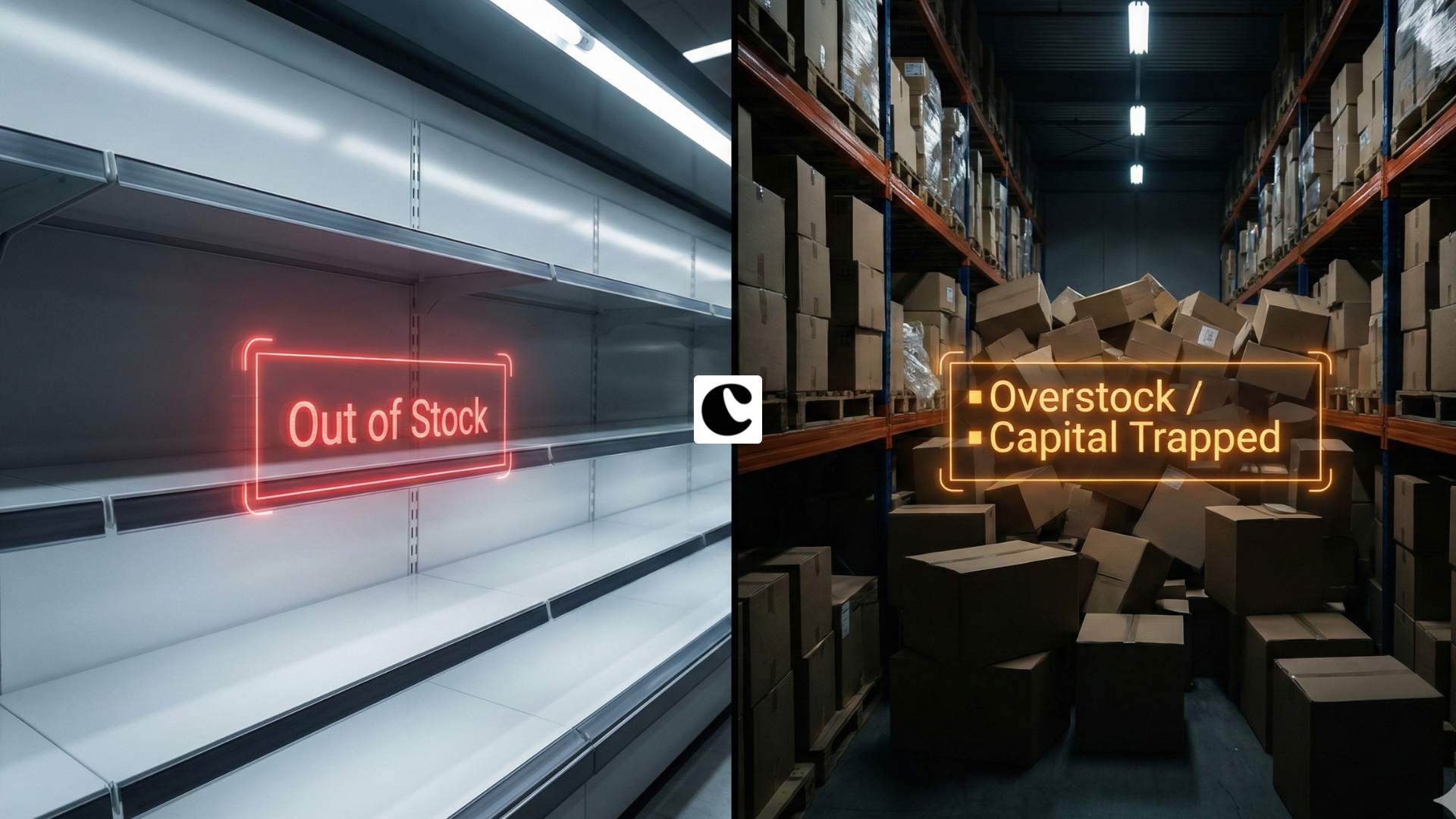
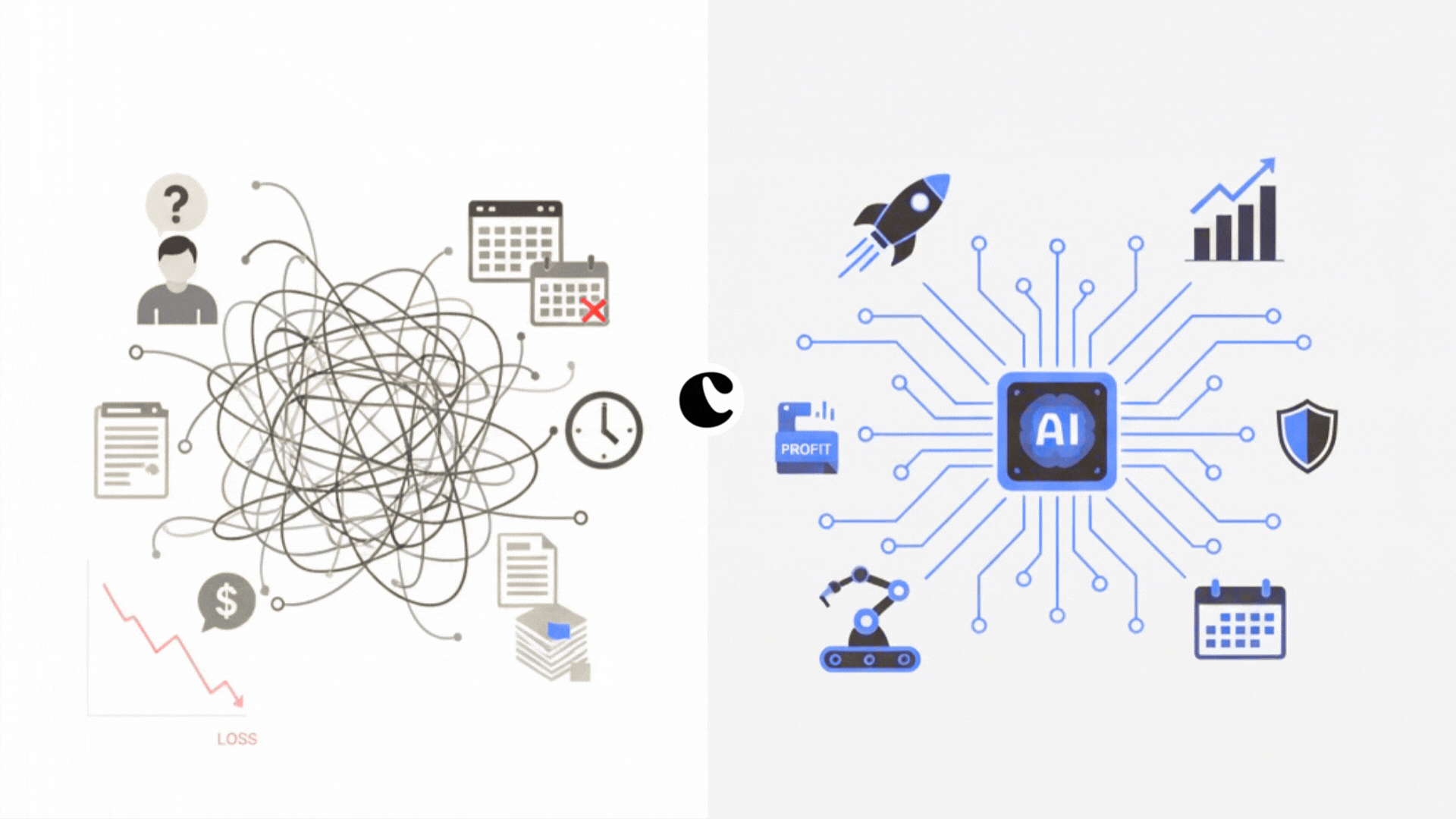
In many organizations, more than half of the cycle time is lost before a single product even goes live. That delay compounds into stockouts, slow sell-through, markdowns, and planning cycles that slip by weeks.

The retailers pulling ahead are not just digitizing tasks. They are redesigning the decision loop itself.
Instead of separate steps, the loop now operates as one connected system:
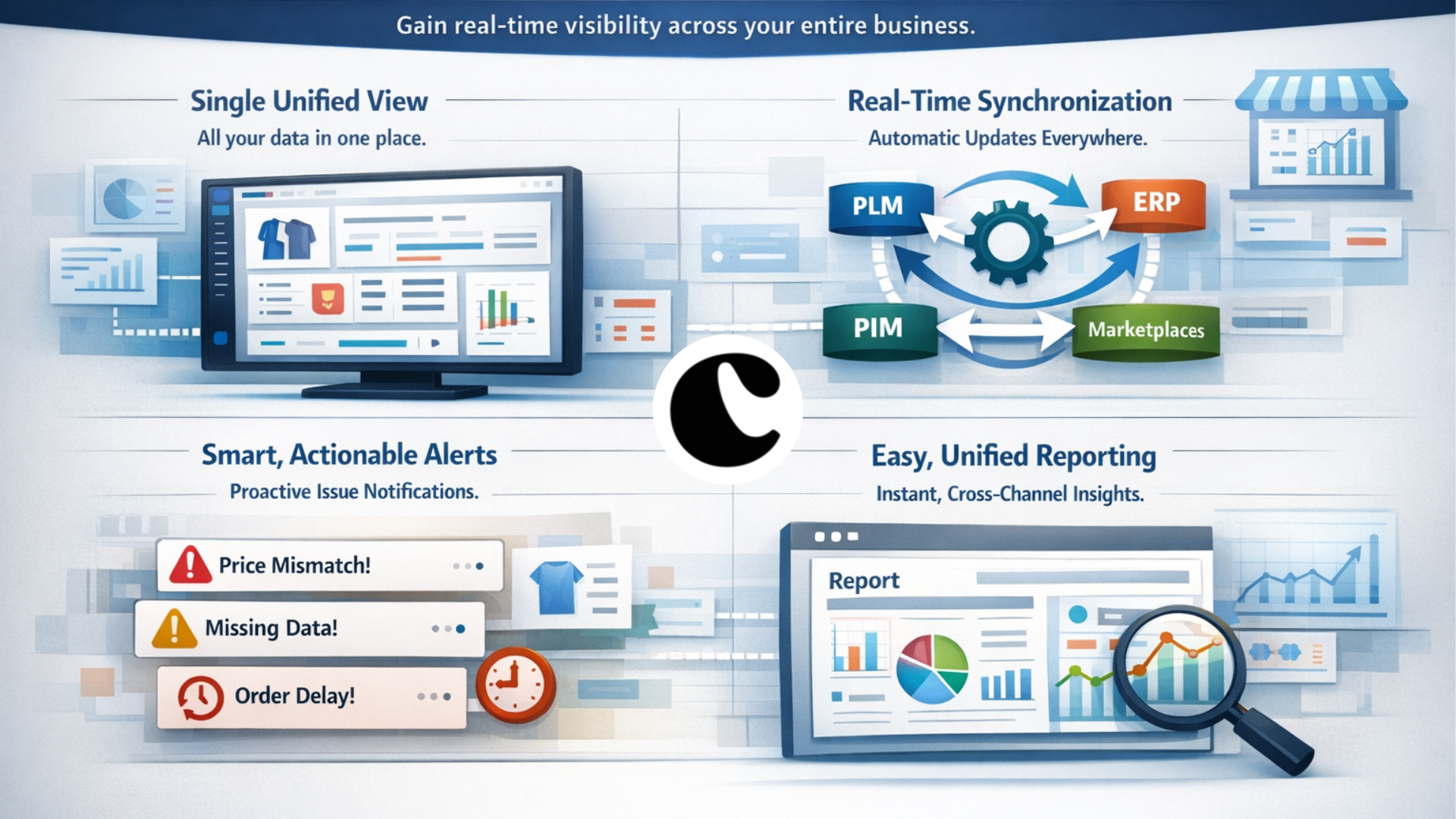
Trend insights → product creation → listing → allocation → forecasting → pricing → feedback.
Every phase informs the next in real time. The shift looks simple on the surface, but the impact is significant. Once decisions flow through a unified loop, retailers begin to see clear improvements:
This redesign moves retailers from reactive operations to proactive, data-led merchandising.
For more on this shift, see our related piece: Why Manual Merchandising Is Costing You Millions
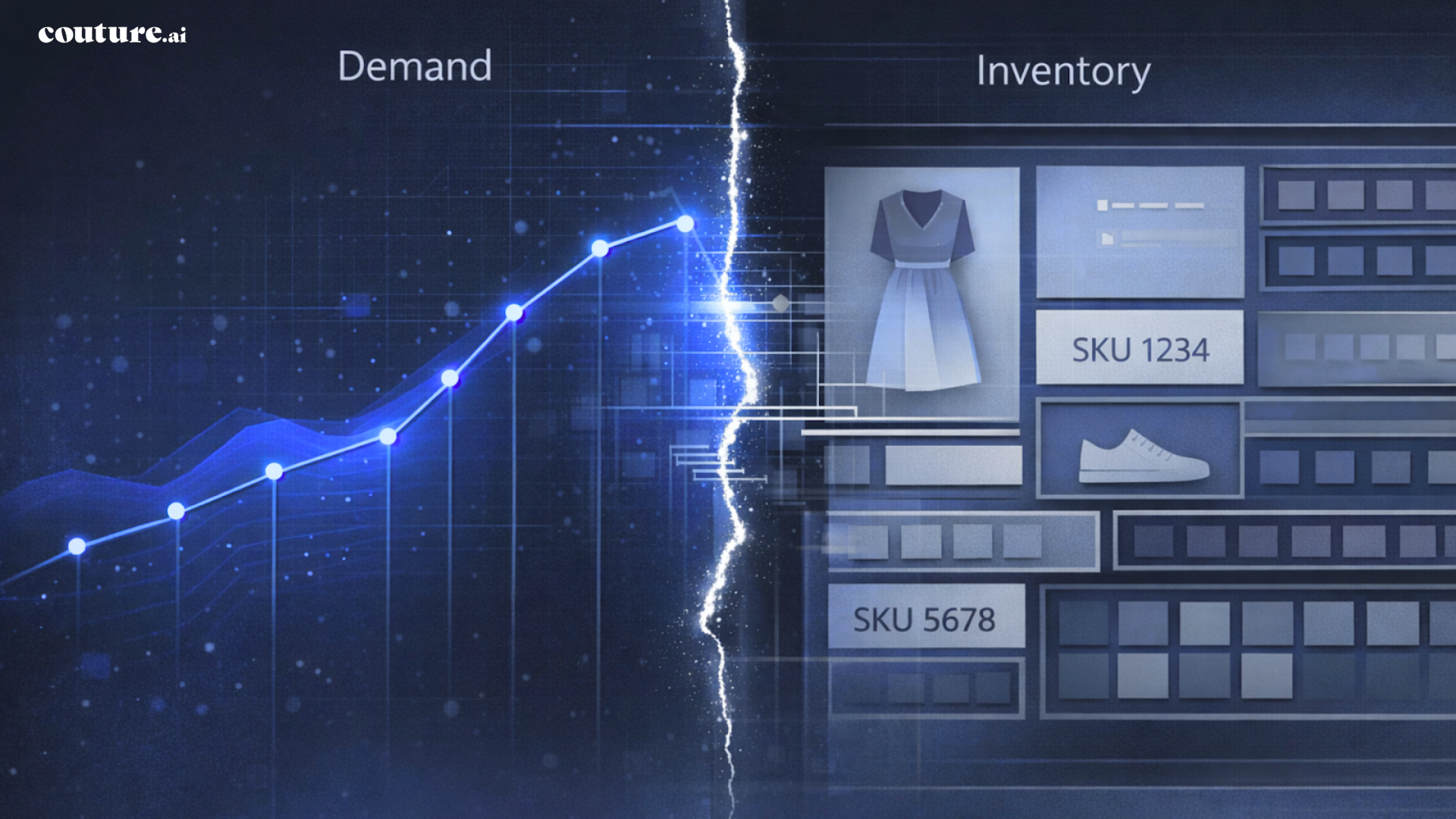
Forecasting used to rely on historical data and intuition. Now it depends on real-time behavior.
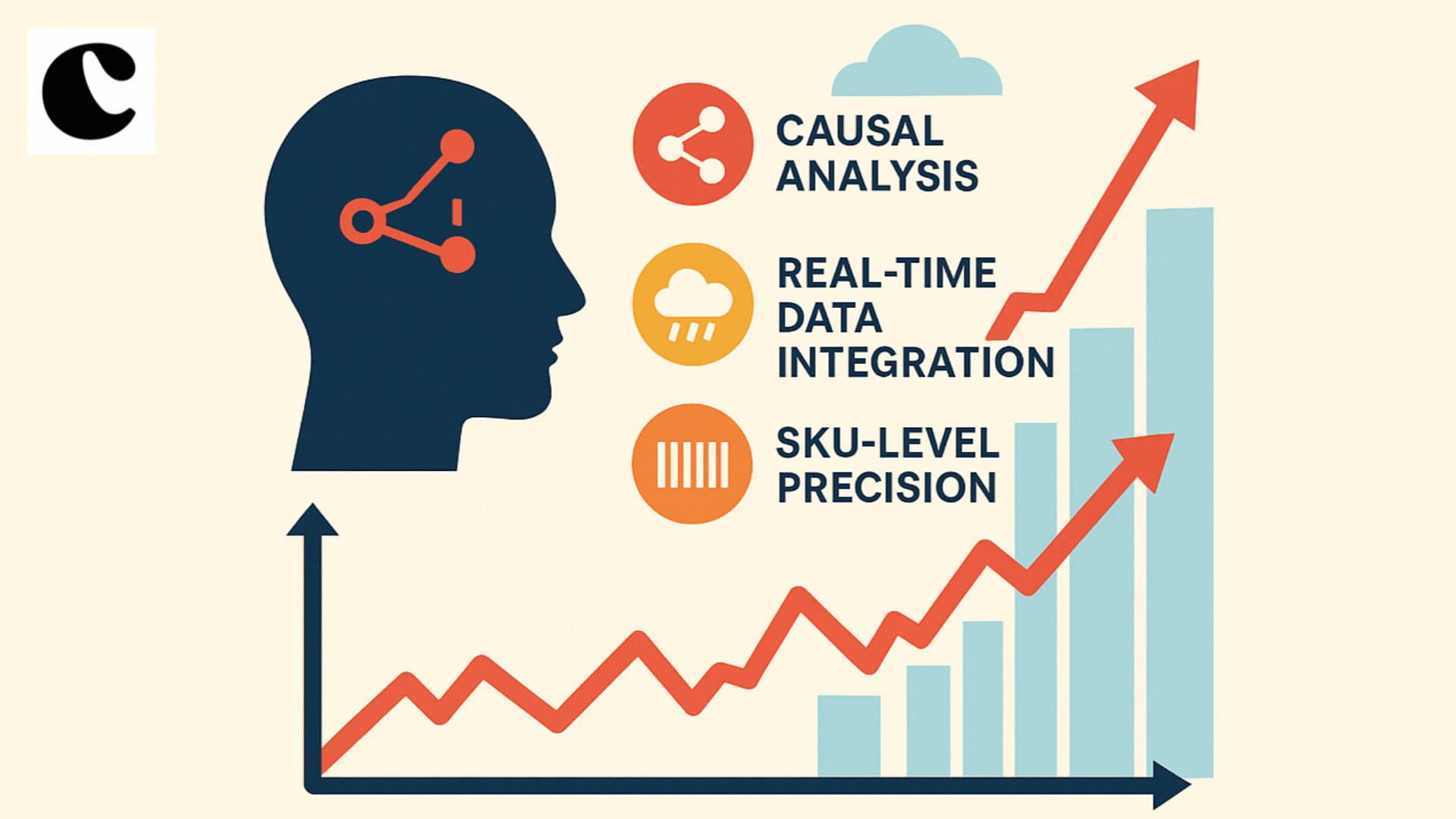
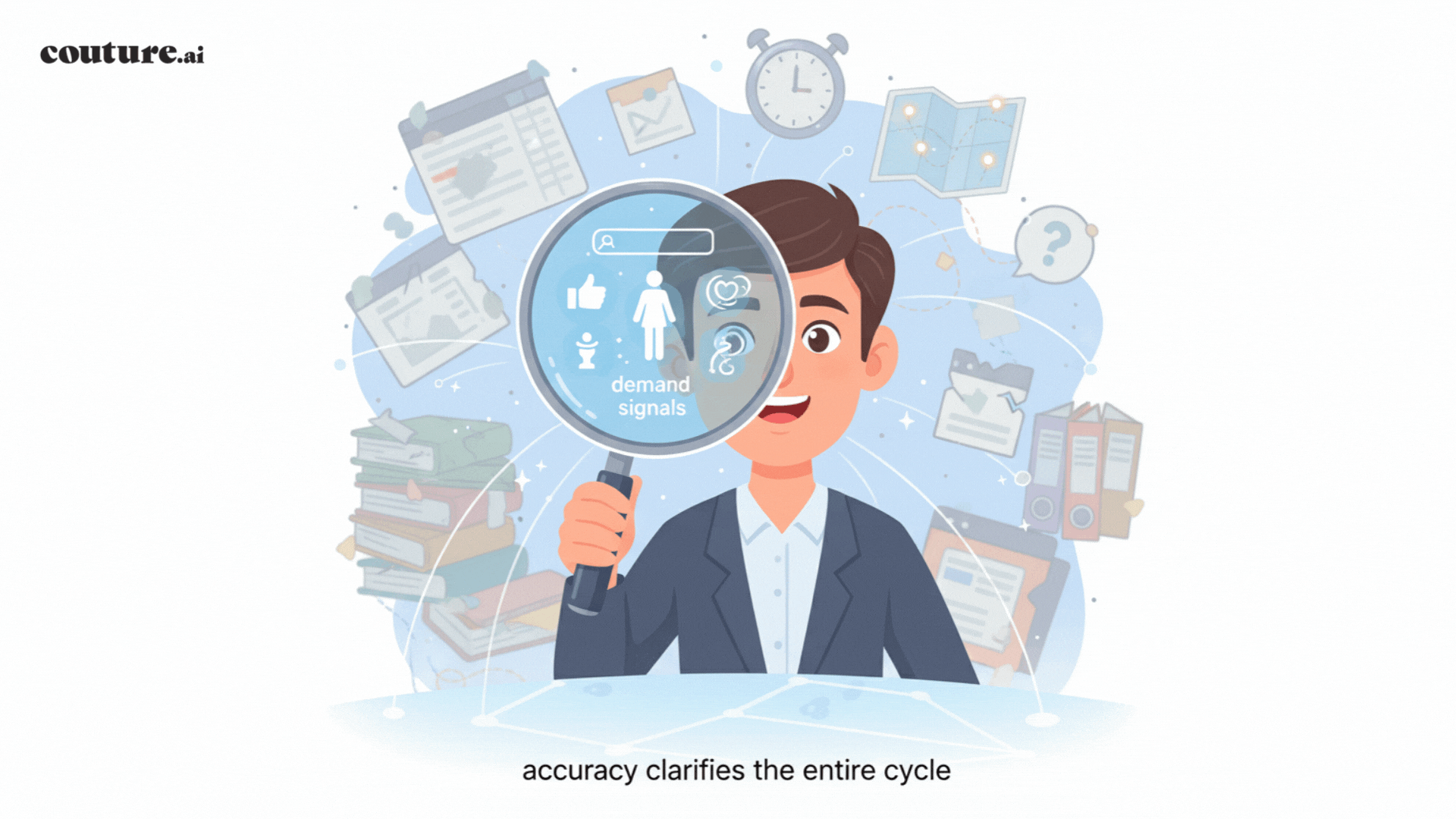
Leading retailers have shifted toward earlier, cleaner, and more granular signals across search trends, social data, size curves, region-specific variations, and channel movement. With these signals, automated forecasting engines can lift forecast accuracy by 30 to 50 percent in real-world pilots.
A McKinsey study on next-generation retail planning found that retailers using automated forecasting and real-time data saw significant improvements in both forecast accuracy and in-season availability.
Better accuracy improves the entire cycle:
Accuracy does not sit at the end of the cycle. It sits at the foundation.
Retailers redesigning their merchandising cycle rely on unified decision layers. See how Couture.ai runs this end-to-end – connect with our expert to learn more.
The speed of the merchandising cycle is now one of the clearest indicators of competitiveness. Retailers that have redesigned this cycle have removed many of the delays that once slowed them down.
Speed is no longer a nice-to-have. It is a core business requirement.
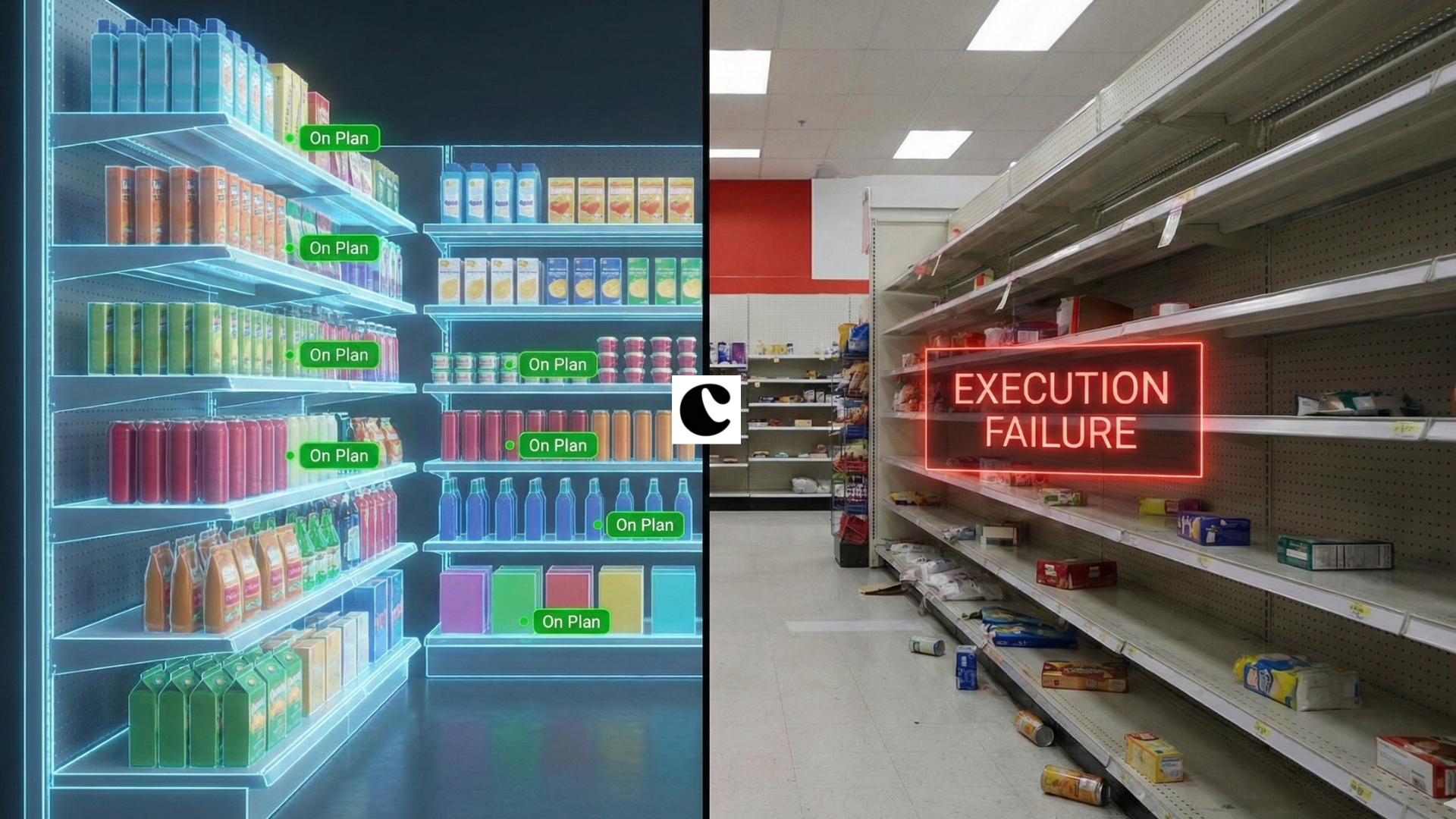
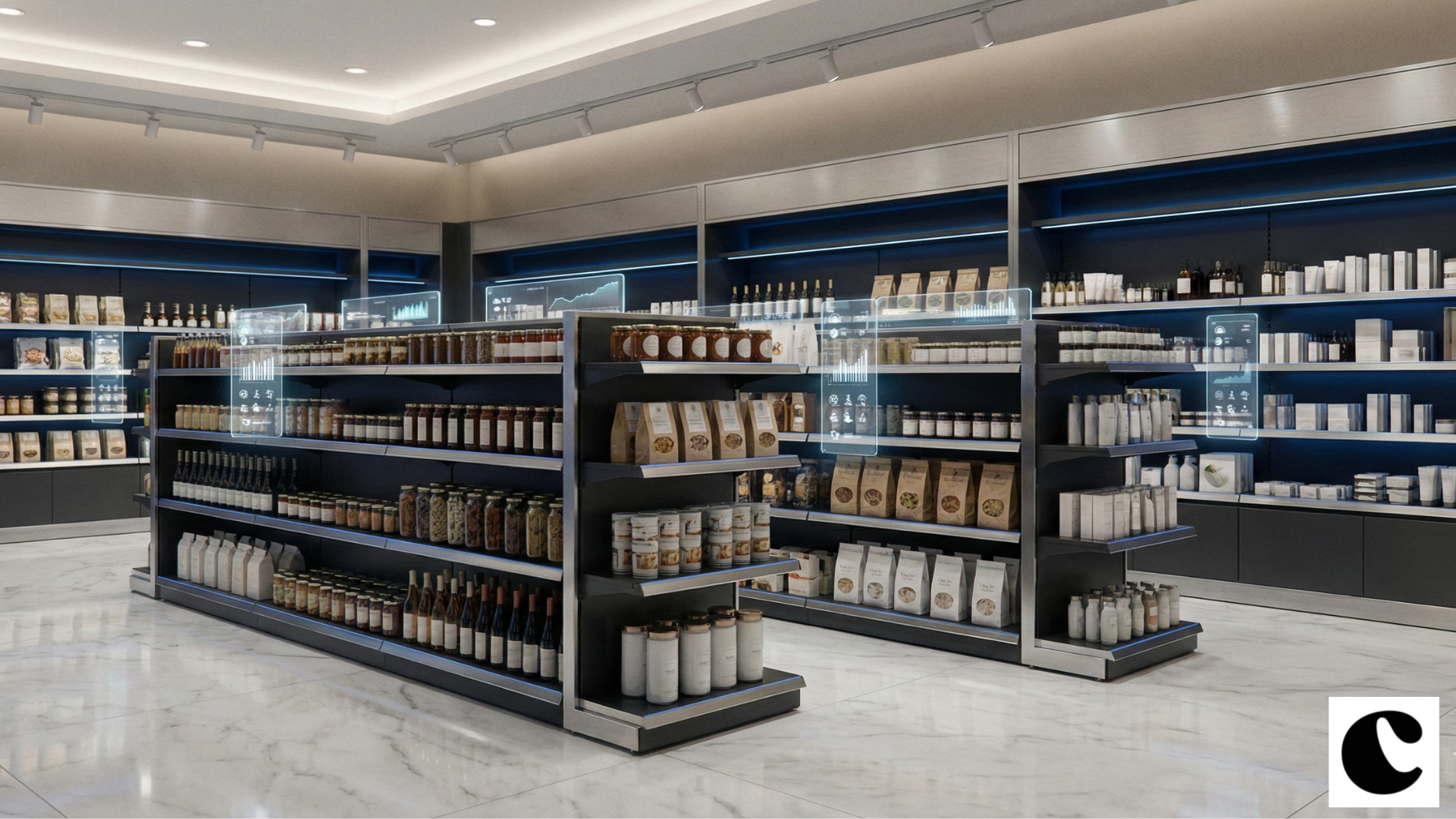
As retailers rebuild their merchandising cycle, one metric rises above the rest: availability.
In its National Retail Federation forecast, NRF highlights availability and demand responsiveness as two of the most critical success factors in omnichannel retail performance for the next five years.
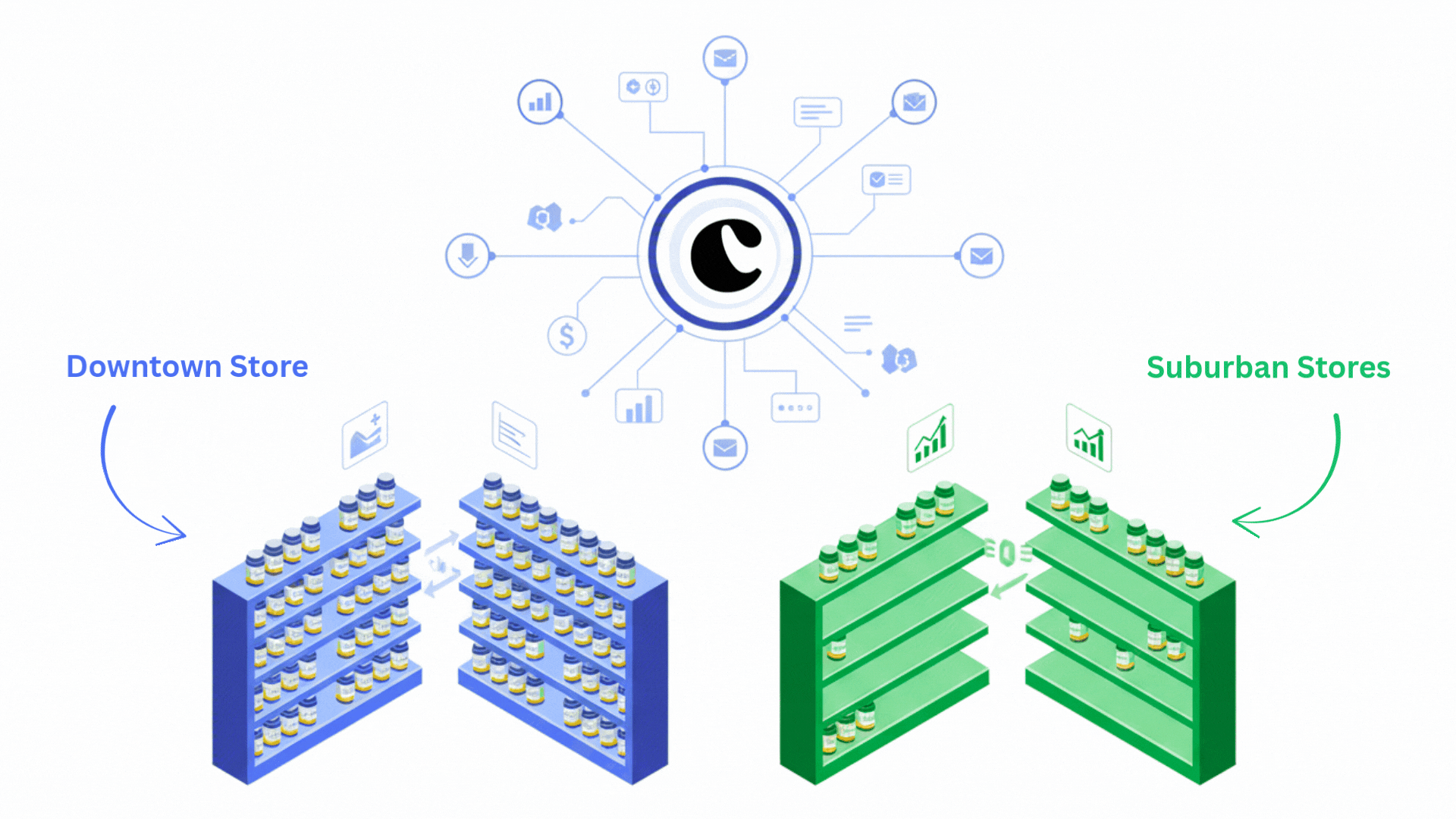
Some global chains reached over 96 percent on-shelf availability after aligning their cycles around unified forecasting and replenishment models.
Availability is the outcome of a retail system that works as one.
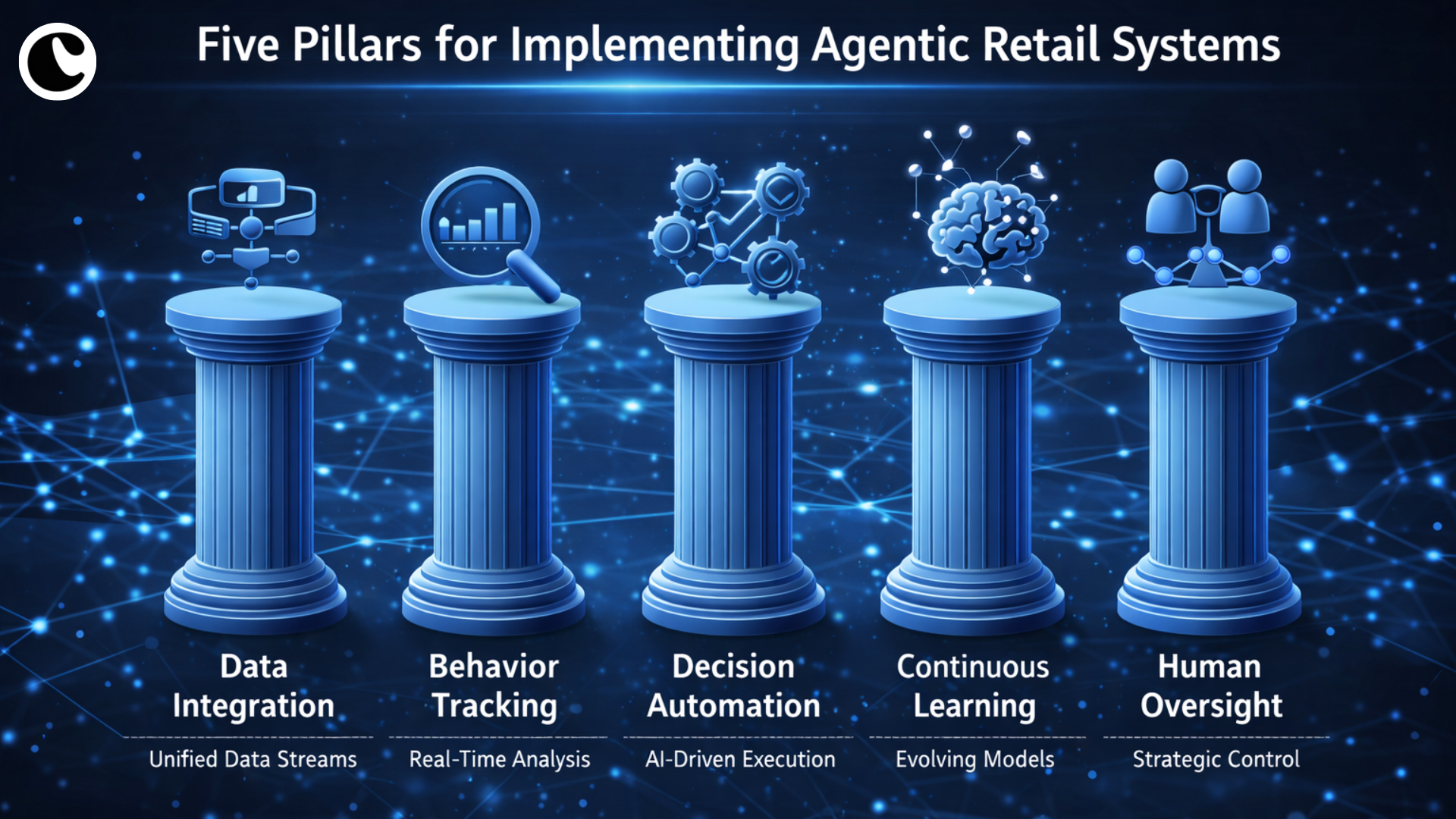
Across Europe, the Middle East, and other fast-moving retail markets, the blueprint emerging among top retailers has five consistent pillars:
This is the modern merchandising operating model.
To understand how this connects visually, explore: The Future of Merchandising Is Autonomous
Retailers who redesign the merchandising cycle are now reporting clear outcome patterns:
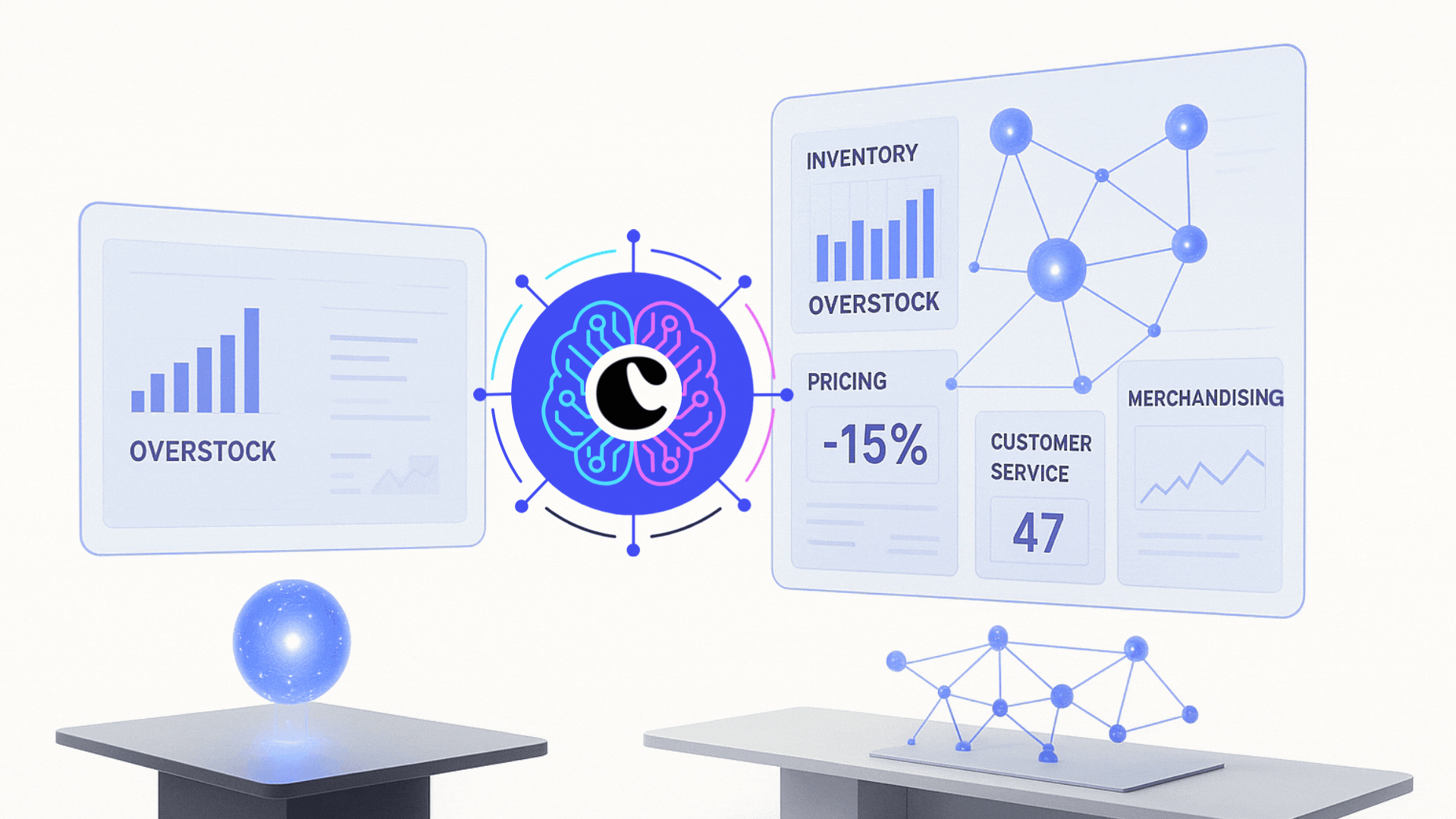
These patterns closely reflect what Couture.ai helps retail leaders achieve by running their merchandising cycle as a connected decision system rather than isolated workflows.
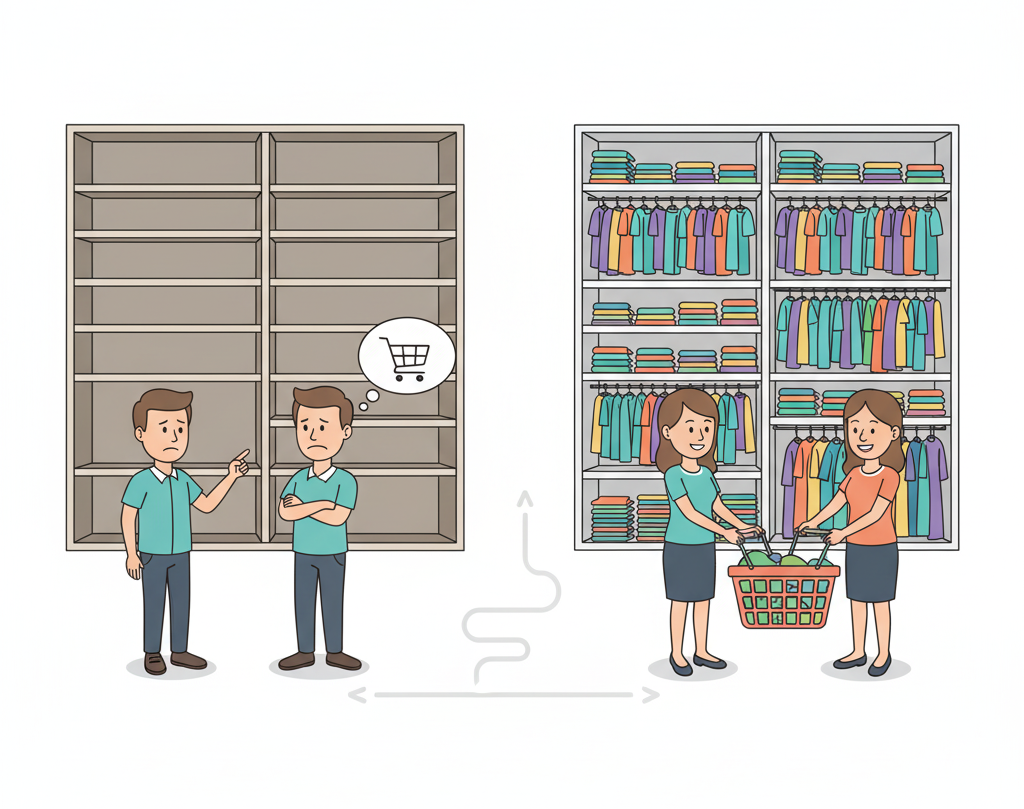
The retailers leading this shift have one thing in common. They stopped treating merchandising as a series of tasks and started treating it as a continuous, data-driven system.
They redesigned the cycle, not just the workflow.
As seasons get shorter and customer expectations rise, the question for every retail leader becomes simple:
Is your merchandising cycle moving as fast as your customer?
Retailers using modern decision loops, including those built with Couture.ai, are already seeing the benefits. The rest will follow.
It means replacing slow, step-by-step workflows with a connected decision loop that moves trend insights to store execution faster.
By using real-time signals like search trends, social data, size curves, and regional demand instead of relying only on historical data.
Because faster cycles let retailers respond to trends, create products, and allocate inventory before demand shifts.
Better availability reduces stockouts, lowers markdowns, and improves sell-through, making it a core merchandising KPI.
AI-driven forecasting, automated listing, dynamic allocation systems, and unified decision layers that keep the cycle in sync.
Subscribe to get the latest updates and trends in AI, automation, and intelligent solutions — directly in your inbox.
Stay Informed: Insights and Trends from Couture AI
Reduce operational complexity, improve planning accuracy, and deliver smarter retail execution with Couture AI.