Dec 17, 2025 | Couture AI Team
Owning a retail brand in 2025 meant navigating a landscape that's entirely different from five years ago. So-called new age customers now have higher expectations, shorter attention spans, and endless options at their fingertips.
The retailers who'll dominate between 2026 and 2030 won't necessarily be the ones with the biggest budgets. They'll be the ones who understand that retail merchandising has grown above gut instinct into accurate precision, speed, and intelligence.
Let’s explore further in the blog to find out what will set smart retailers apart from the rest.
Customers don't care about inventory challenges. They want specific products, at particular times, at prices that feel reasonable to them.
Is it simple? But it's not.
The future of shopping depends on merchandising systems that adapt faster than customer behavior shifts, and those shifts happen every single day.
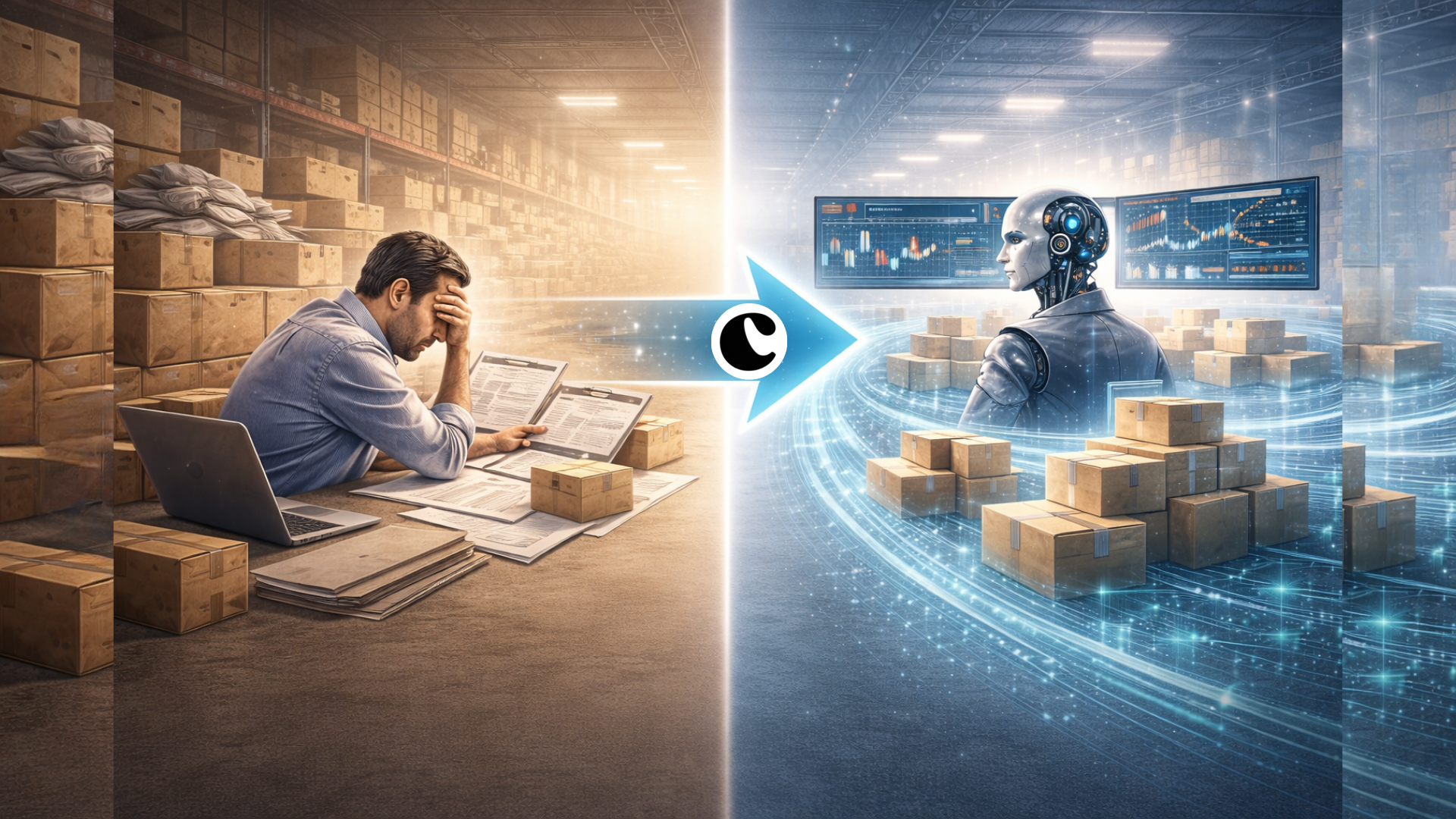
The transformations in the retail industry are redefining how leading stores operate, with the support of retail innovation.
Static pricing strategies have become obsolete. Most retail leaders already recognize this.
BCG reports that AI-driven dynamic pricing delivers 5–10% improvement in gross profits for enterprise retailers.
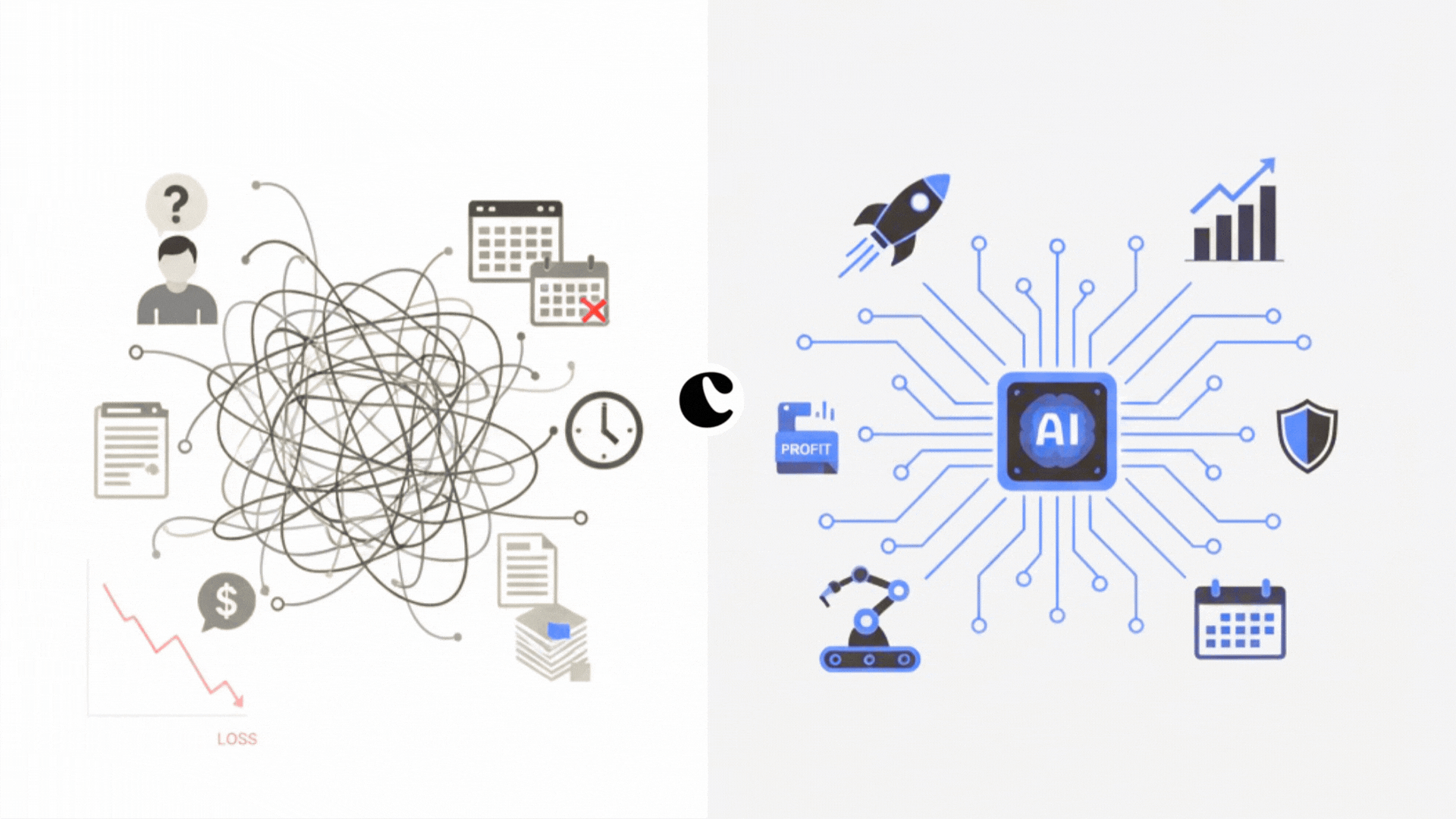
The challenge? Many retailers attempt dynamic pricing but struggle because they rely on outdated systems or manual processes. Modern retailers use AI merchandising solutions with pricing engines that operate autonomously in real-time.
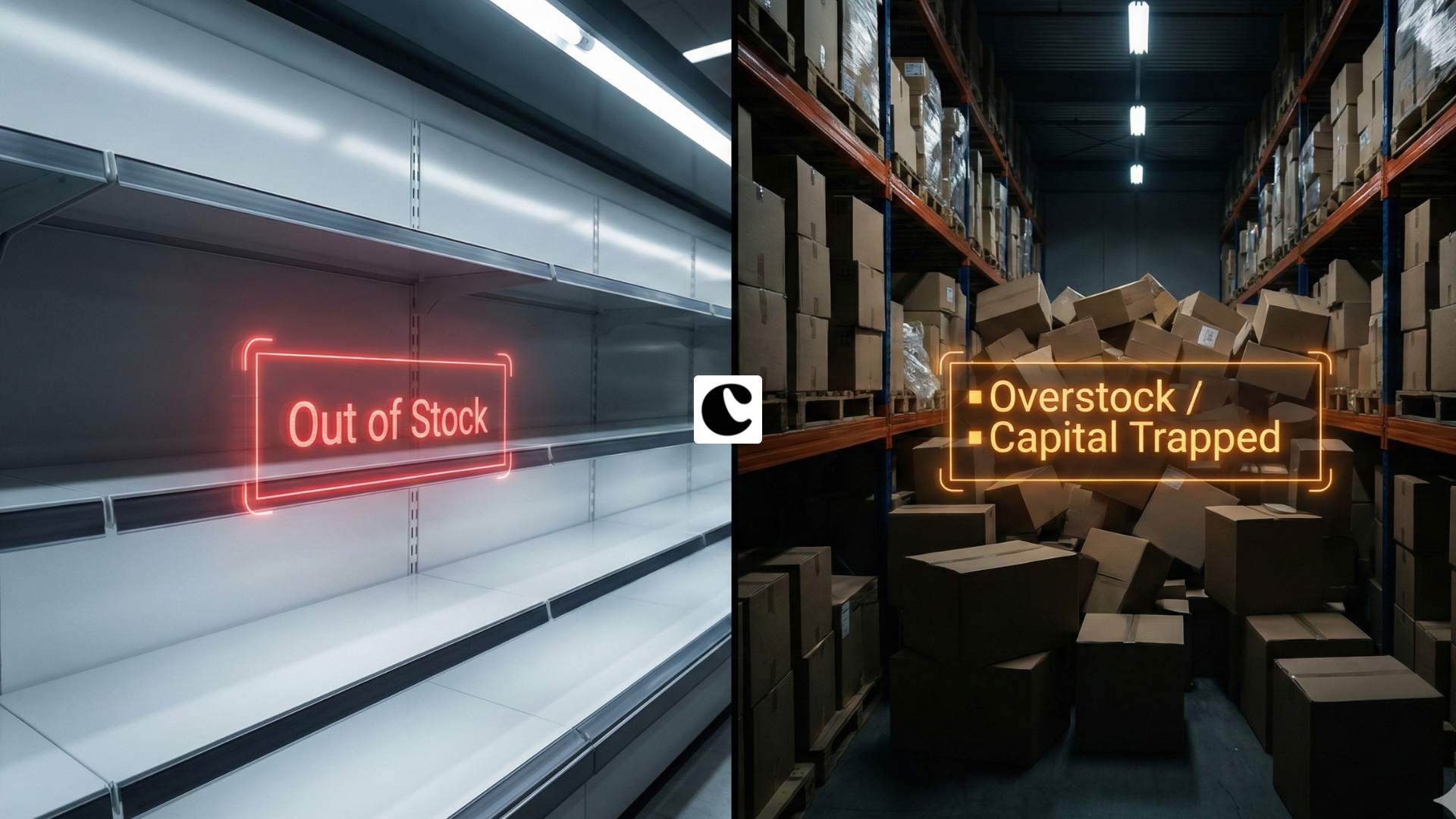
Let’s say: A best-selling item sells out on Friday afternoon. By Monday morning, thousands in revenue are gone, and loyal customers are frustrated.
The opposite scenario causes equal damage - ordering excessive quantities of slow-moving products that consume warehouse space and tie up working capital for months.
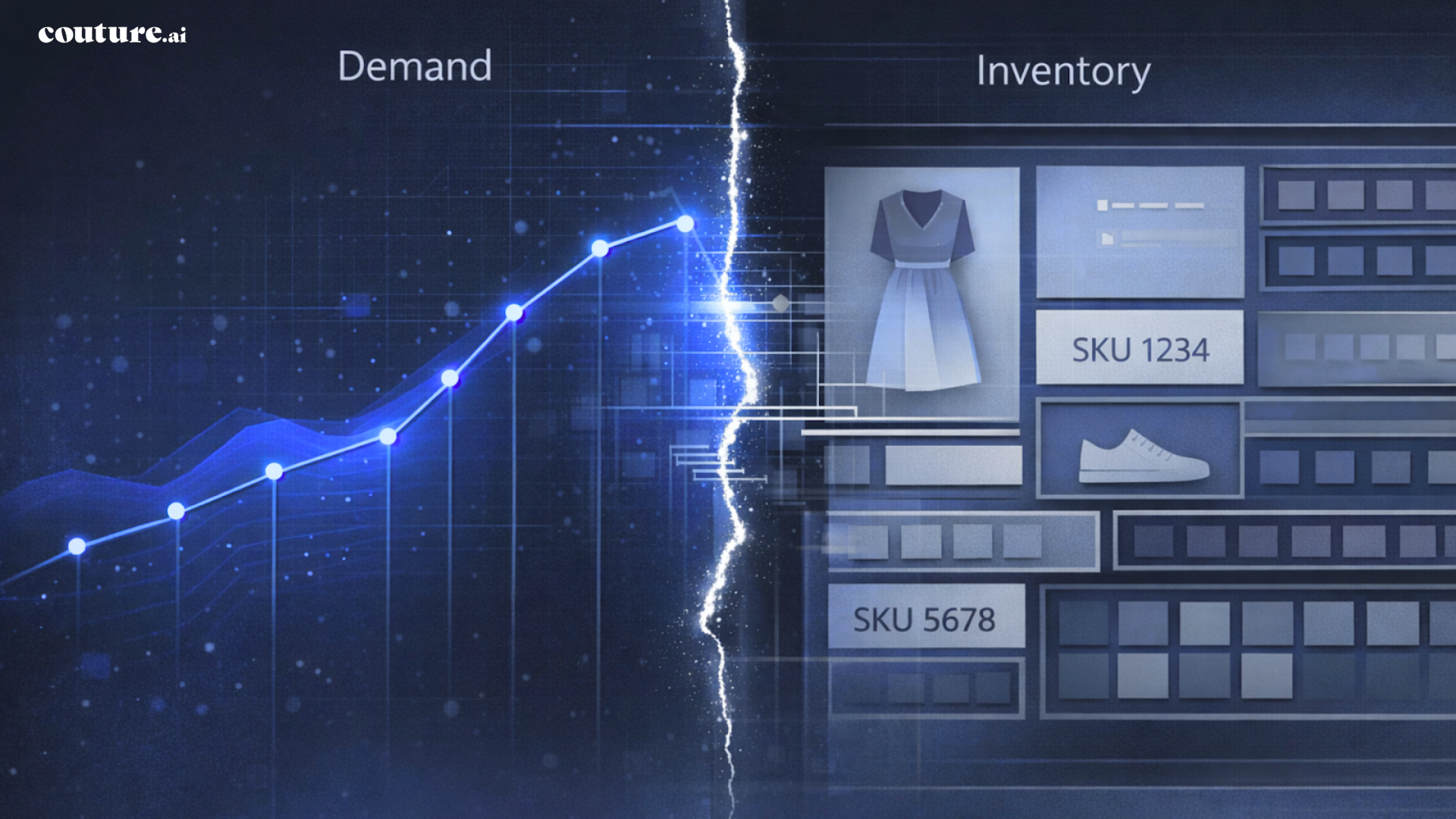
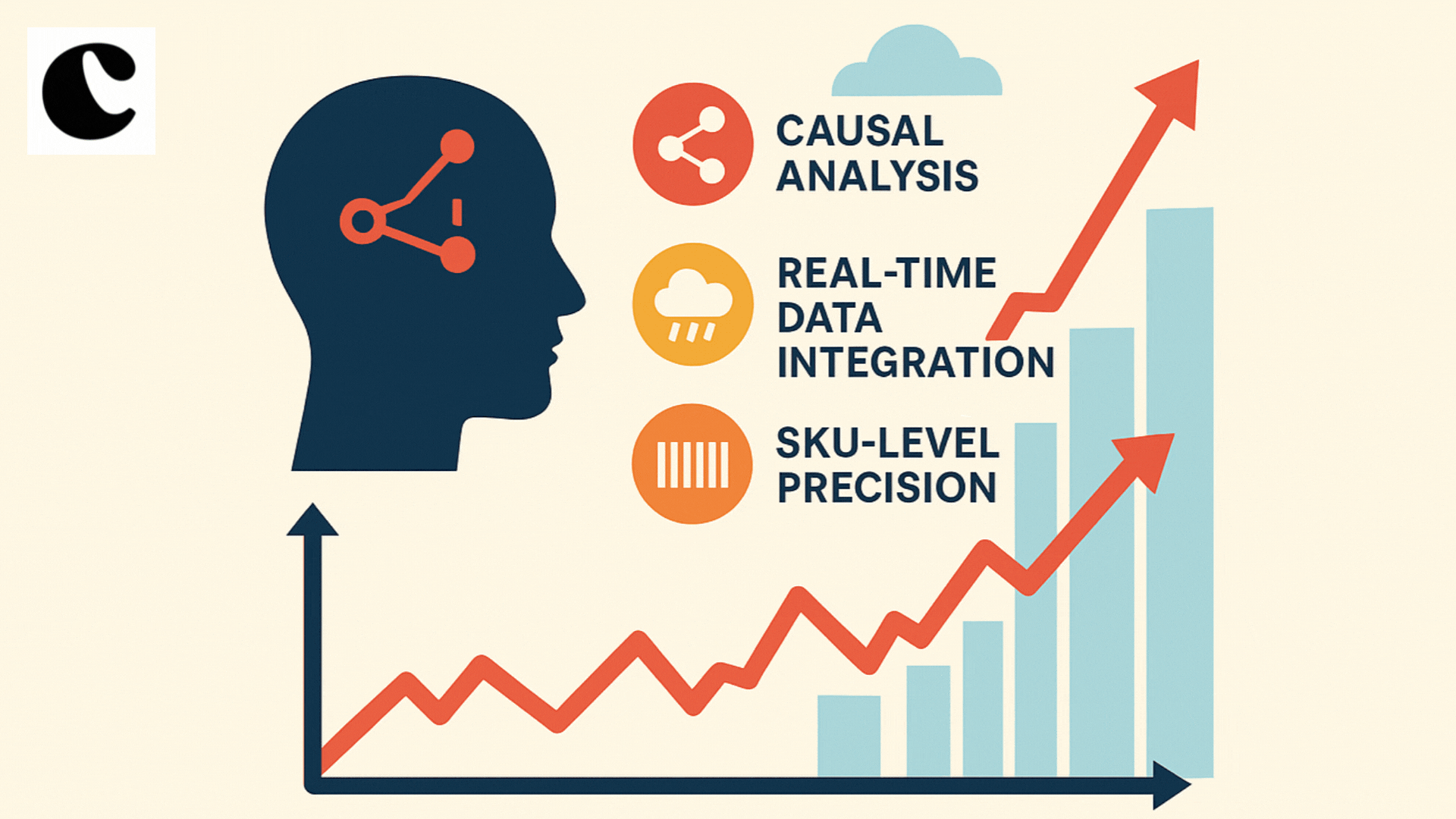
Retail merchandising between 2026 and 2030 requires demand prediction systems that operate at the SKU level with real accuracy:
The equation is pretty specific: Better inventory decisions create more sales, less waste, and happier customers.
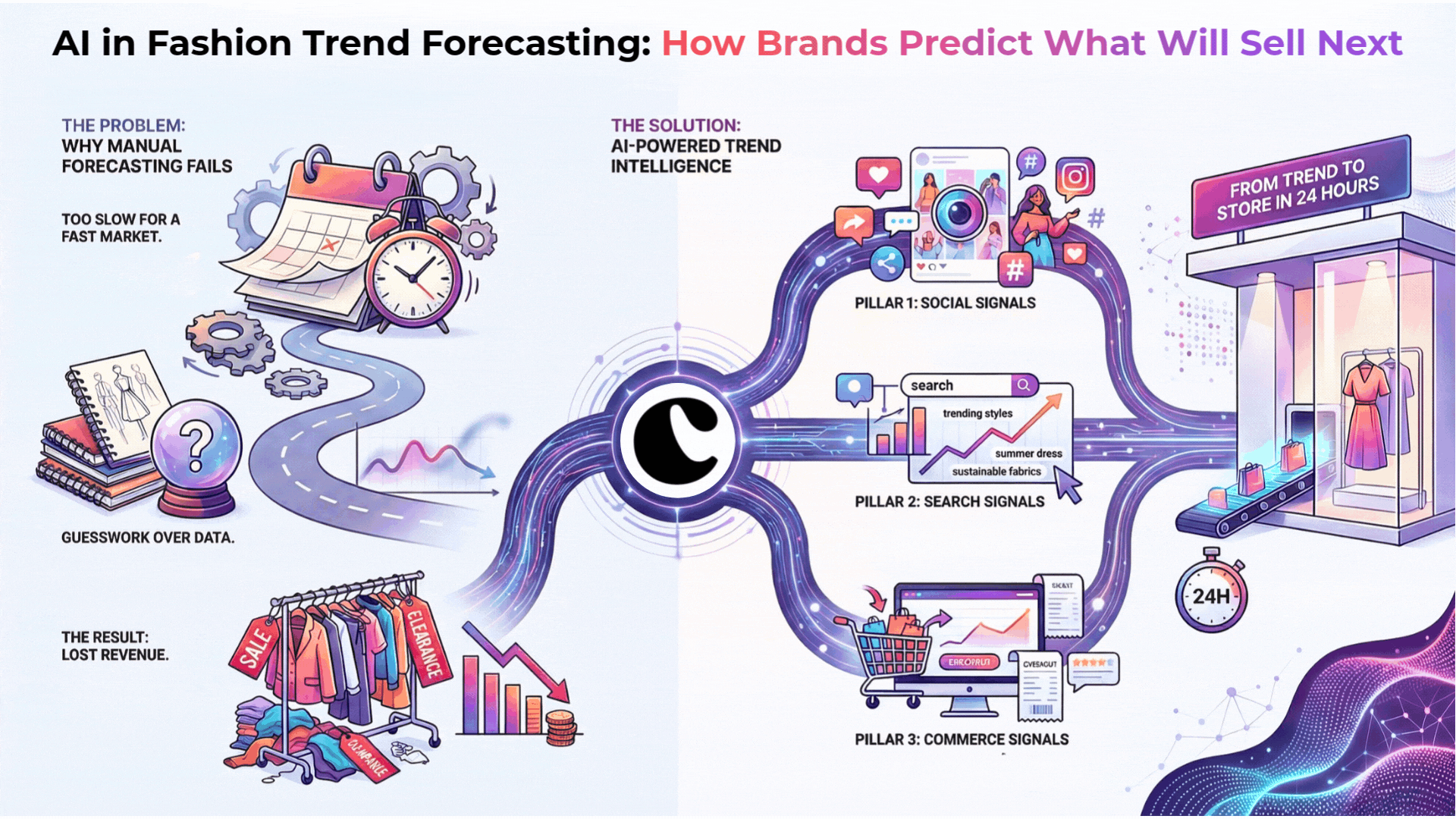
As fashion analytics suggest, micro-trends today emerge and fade within months - driven by social media, algorithms, and instant gratification - making traditional season-based buying obsolete
Modern assortment planning extends far further analyzing last year's sales data:
Predictive trend analysis scans social media activity, search patterns, and fashion shows continuously and not just seasonally.
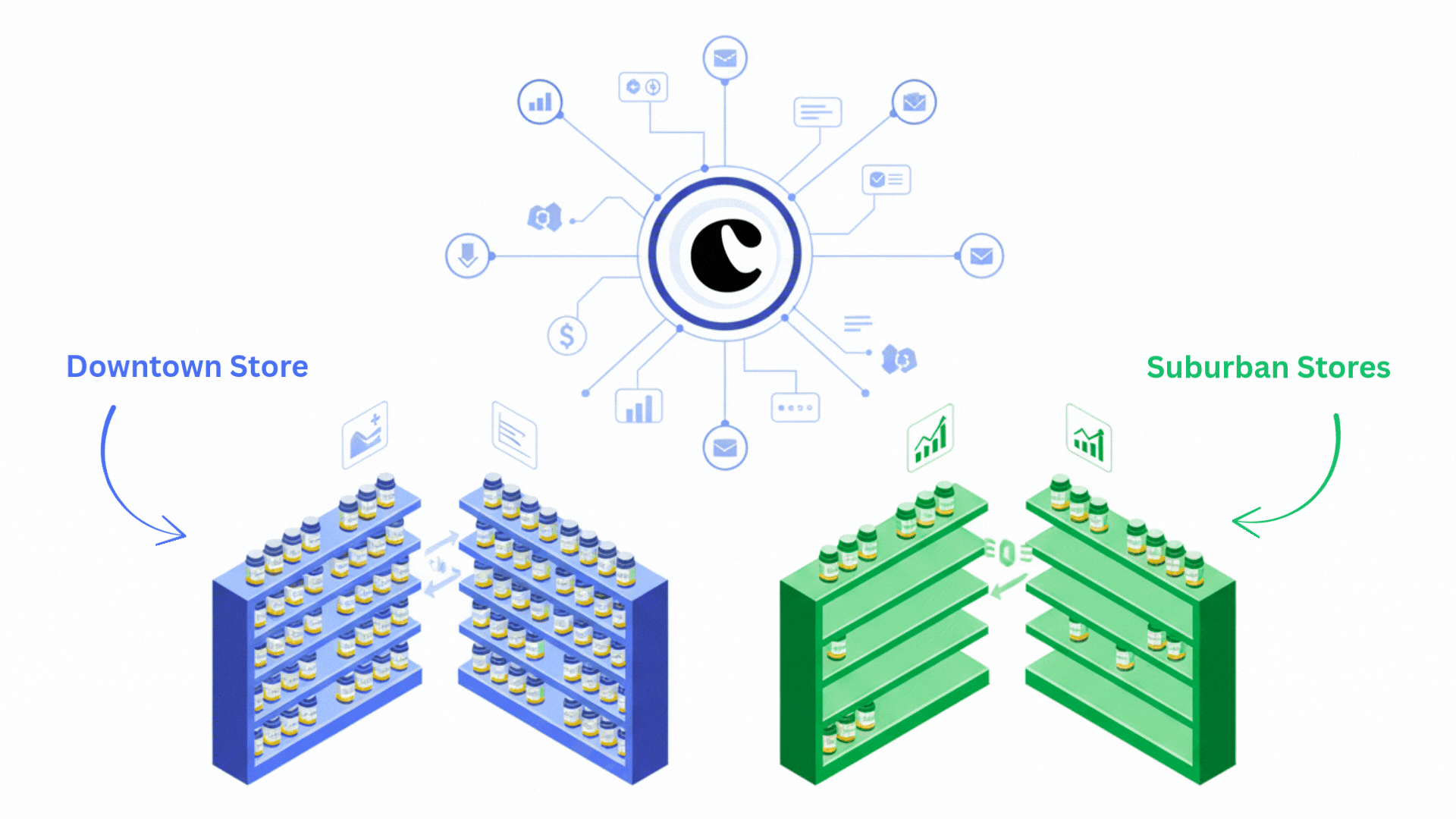
Localized assortment strategies recognize that Manhattan customers have different preferences from Miami shoppers.
Test and learn frameworks help launch limited quantities, measure customer response, and scale successful products quickly.
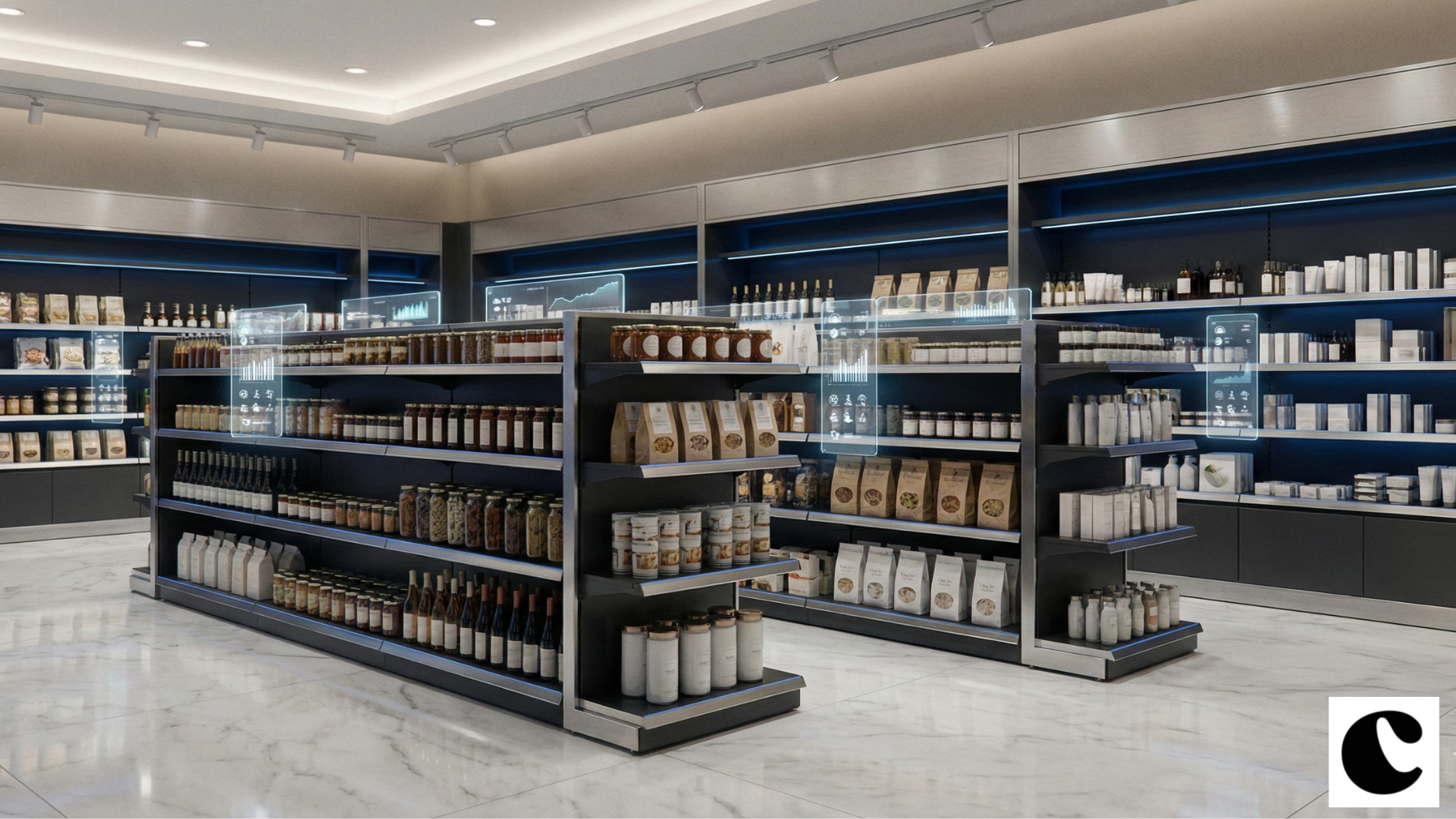
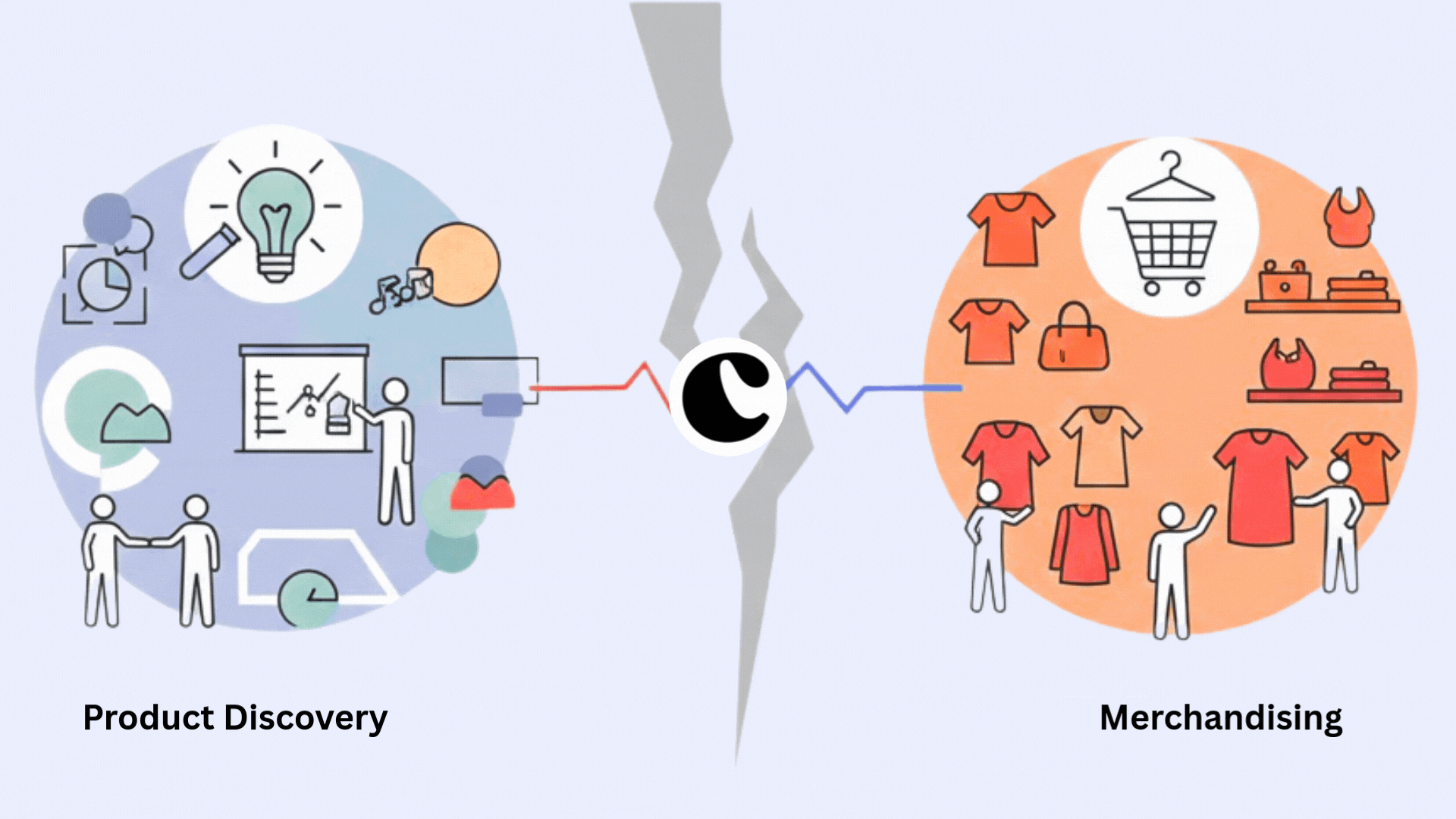
Combining visual merchandising expertise with AI-driven insights creates stores that achieve both aesthetic appeal and profitability.
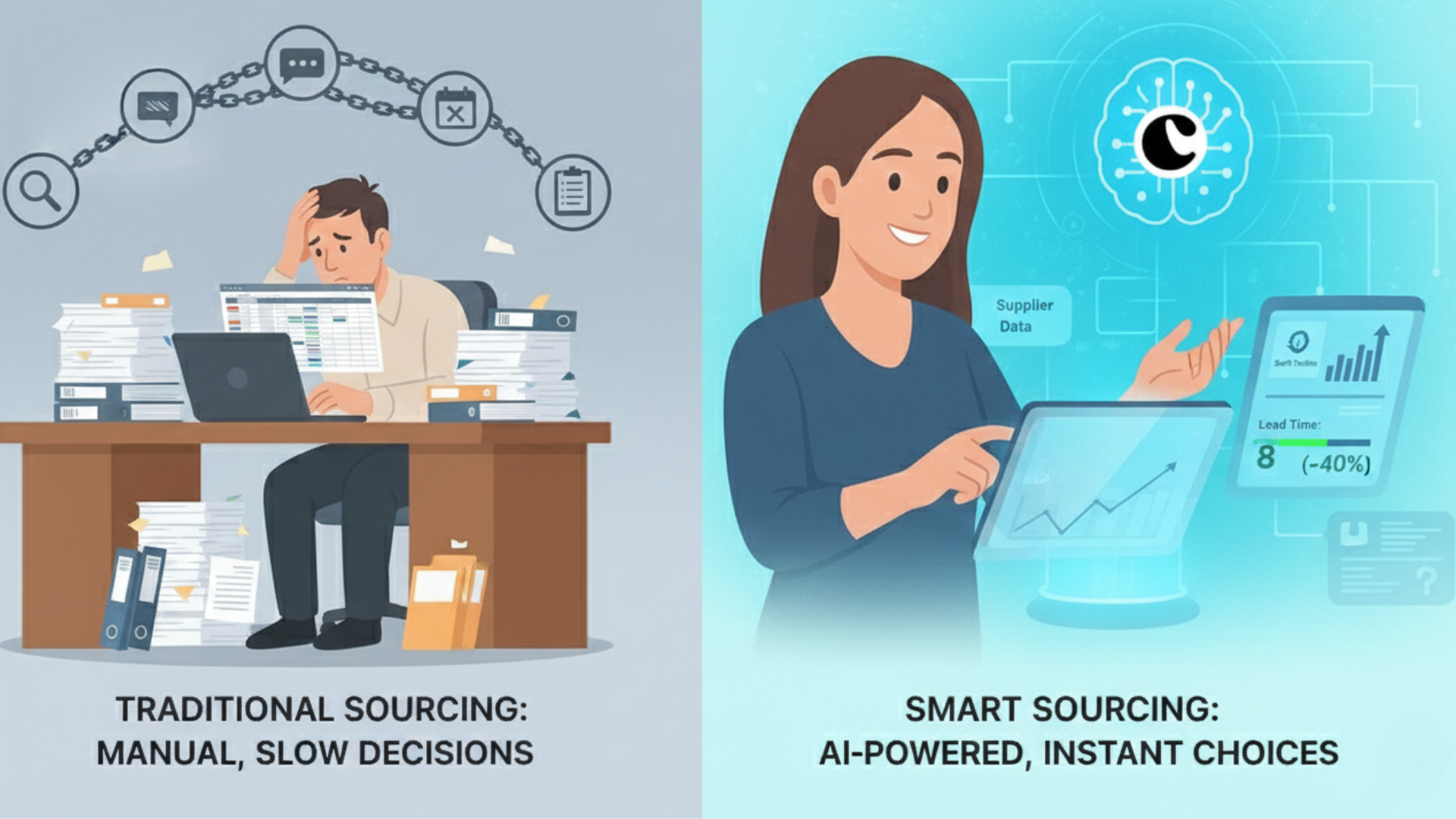
The traditional approach meant buying six months ahead and expecting favorable outcomes. The current approach requires continuous, data-driven decision-making powered by AI merchandising technology.
Sharpen your merchandising strategy for 2026, and further, at Couture.ai, we help retailers make faster, smarter merchandising decisions using AI-powered insights.
Even perfectly optimized store layouts lose effectiveness when the merchandising strategy lacks consistency across online and offline channels.
Customers don't think in terms of channels. They think in terms of convenience.
Browsing happens on phones during lunch breaks. Price checking occurs on websites at night. Store visits happen on Saturdays. Purchases might happen online with in-store pickup.
Retail merchandising must flow seamlessly across every touchpoint:
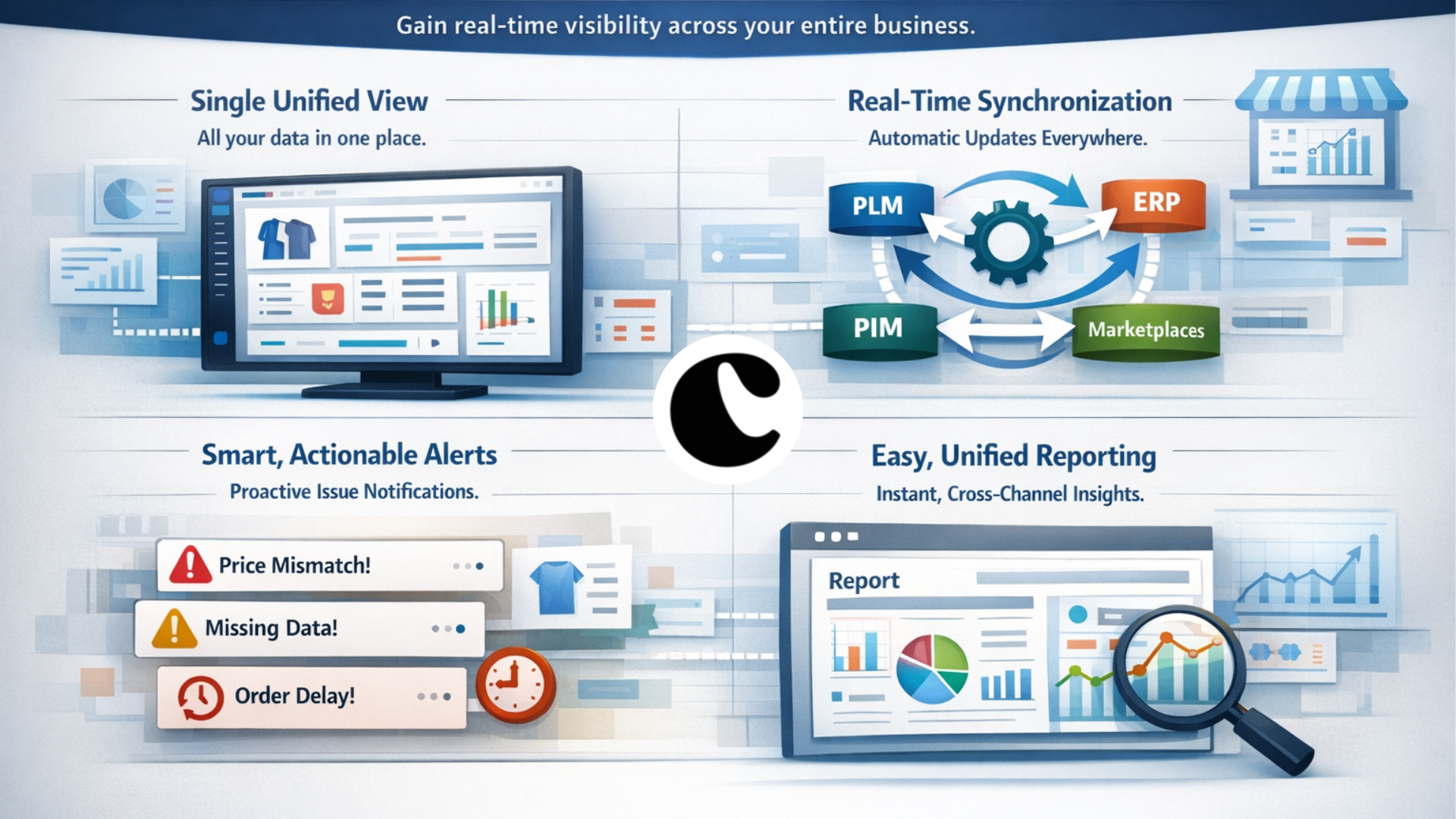
Unified inventory visibility guarantees customers see accurate, real-time availability regardless of shopping channel.
Consistent pricing and promotions matter because nothing frustrates customers faster than discovering different prices online versus in-store.
Coordinated assortments require understanding which products perform better in specific channels and optimizing accordingly.
Smart retailers have built unified merchandising intelligence that powers all channels simultaneously.
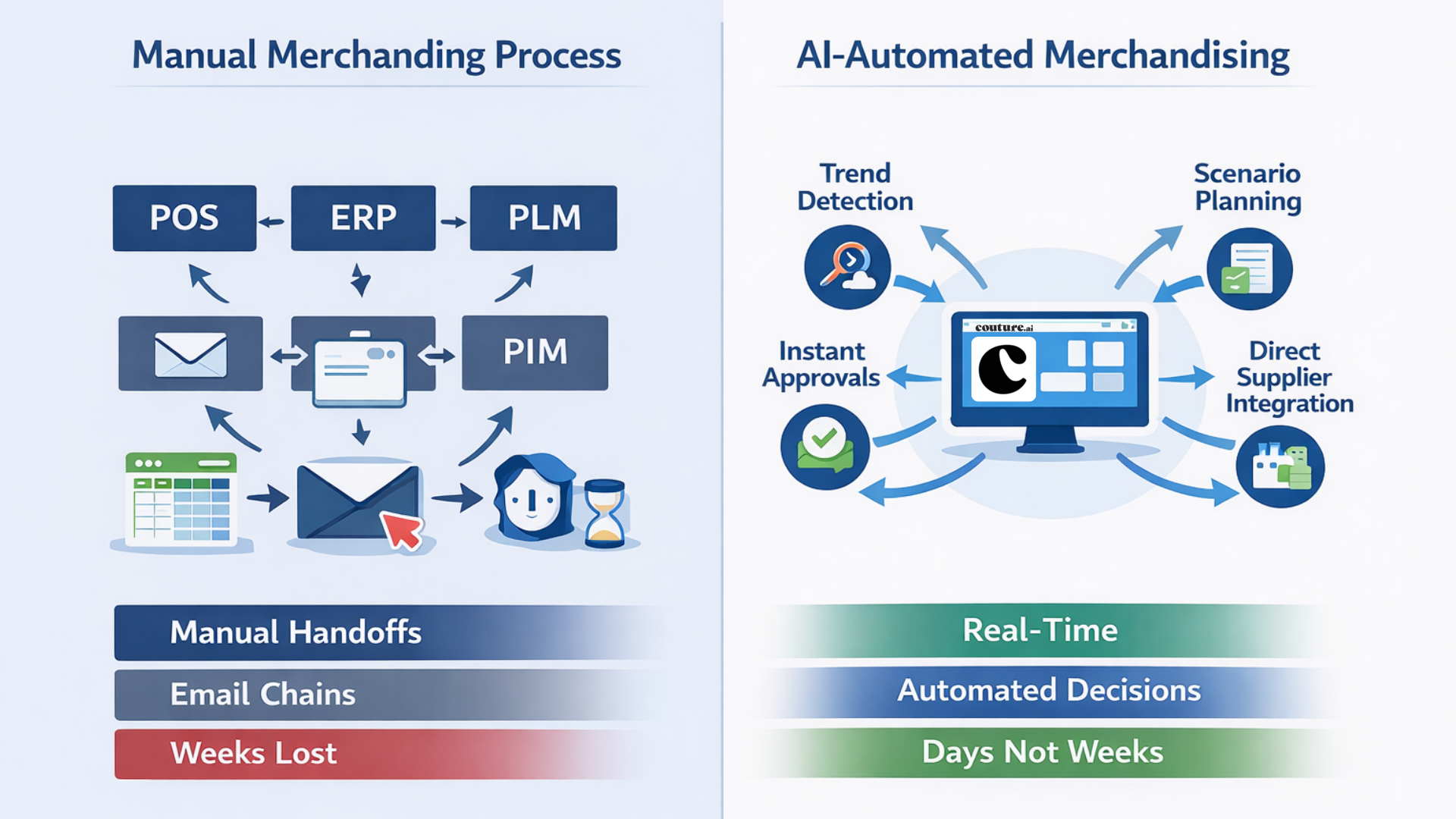
Monthly merchandising reviews move too slowly for current market conditions.
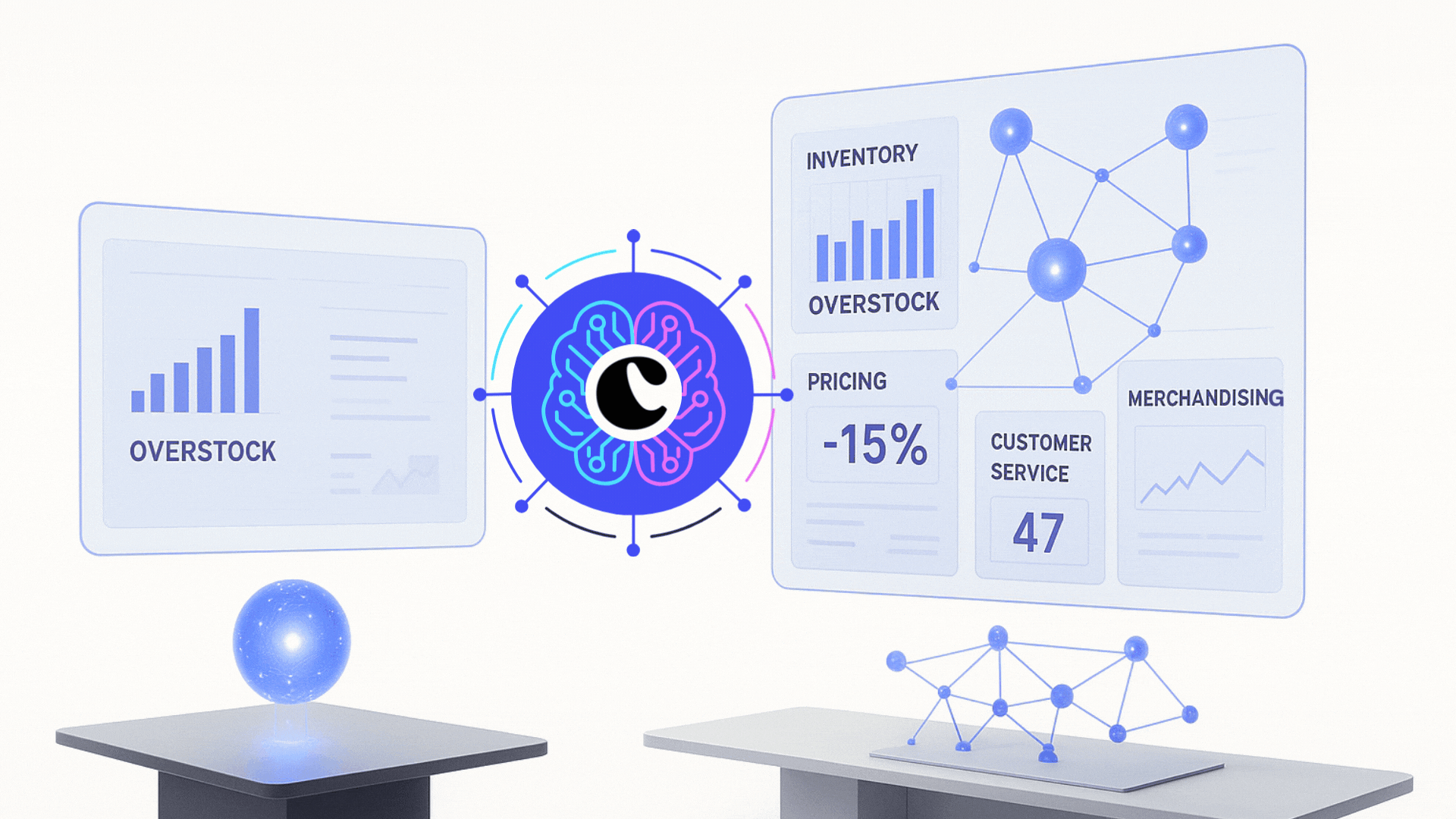
A recent study on real-time dashboards reports benefits such as “enhanced visibility, faster response times, and improved collaboration,” especially for businesses managing sales, supply chains, or e-commerce operations.
By the time problems get identified in monthly meetings, weeks of potential revenue have already been lost, or excess inventory has already accumulated.
Consider this parallel: Financial management wouldn't involve checking bank balances only once a month. Merchandising deserves the same real-time attention.
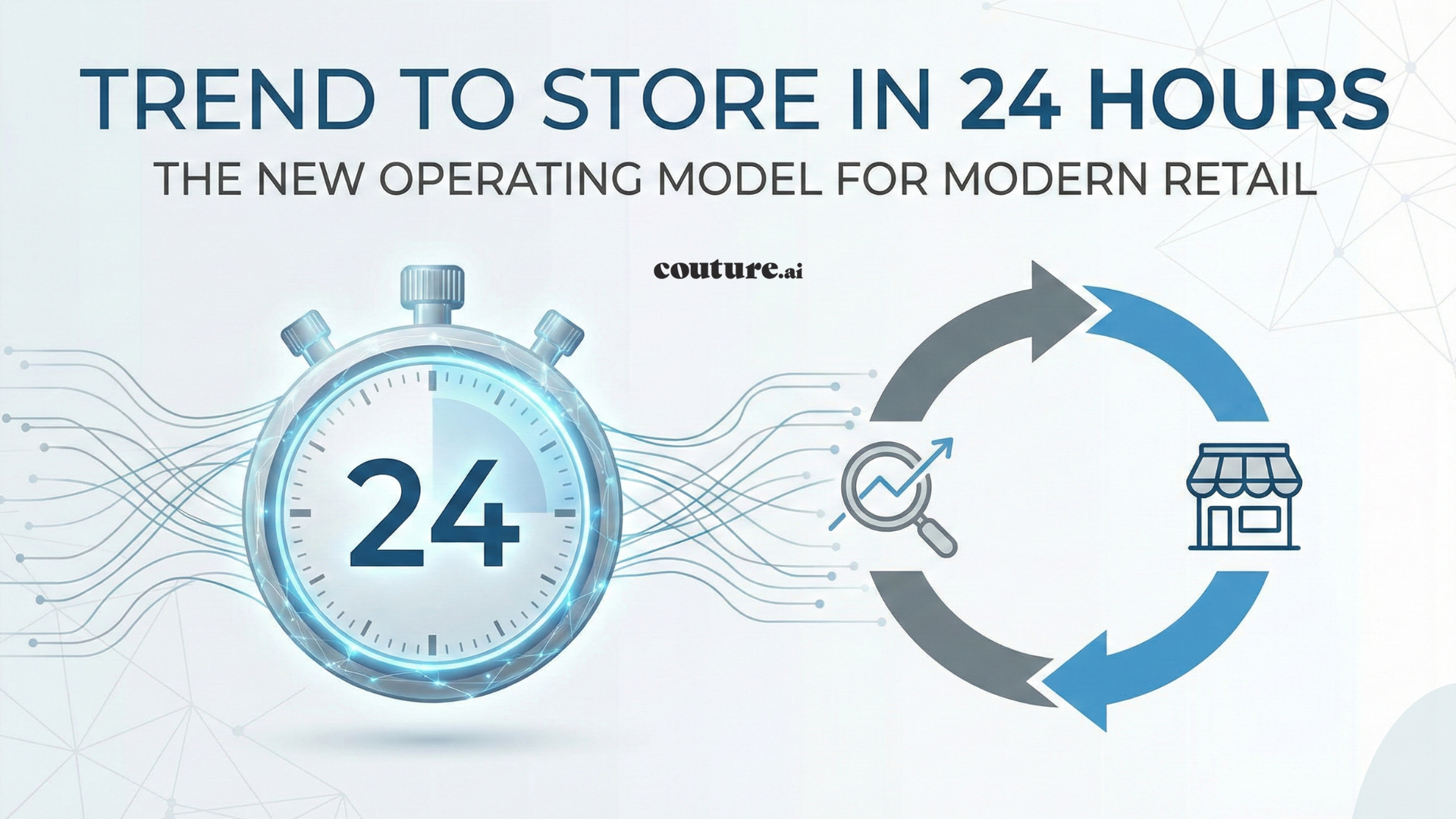
The next five years will ultimately redefine how retail innovation creates competitive advantage.
Customers expect more refined experiences. Margins demand more intelligent management. Teams deserve better tools to succeed.
Ready to see how these strategies translate into measurable results? Couture.ai provides retail teams with AI-powered merchandising insights that reduce waste, improve margins, and accelerate decision-making capabilities.
Get a personalized walkthrough showing how leading retailers are already implementing these approaches.
Subscribe to get the latest updates and trends in AI, automation, and intelligent solutions — directly in your inbox.
Stay Informed: Insights and Trends from Couture AI
Reduce operational complexity, improve planning accuracy, and deliver smarter retail execution with Couture AI.