Dec 01, 2025 | Couture AI Team
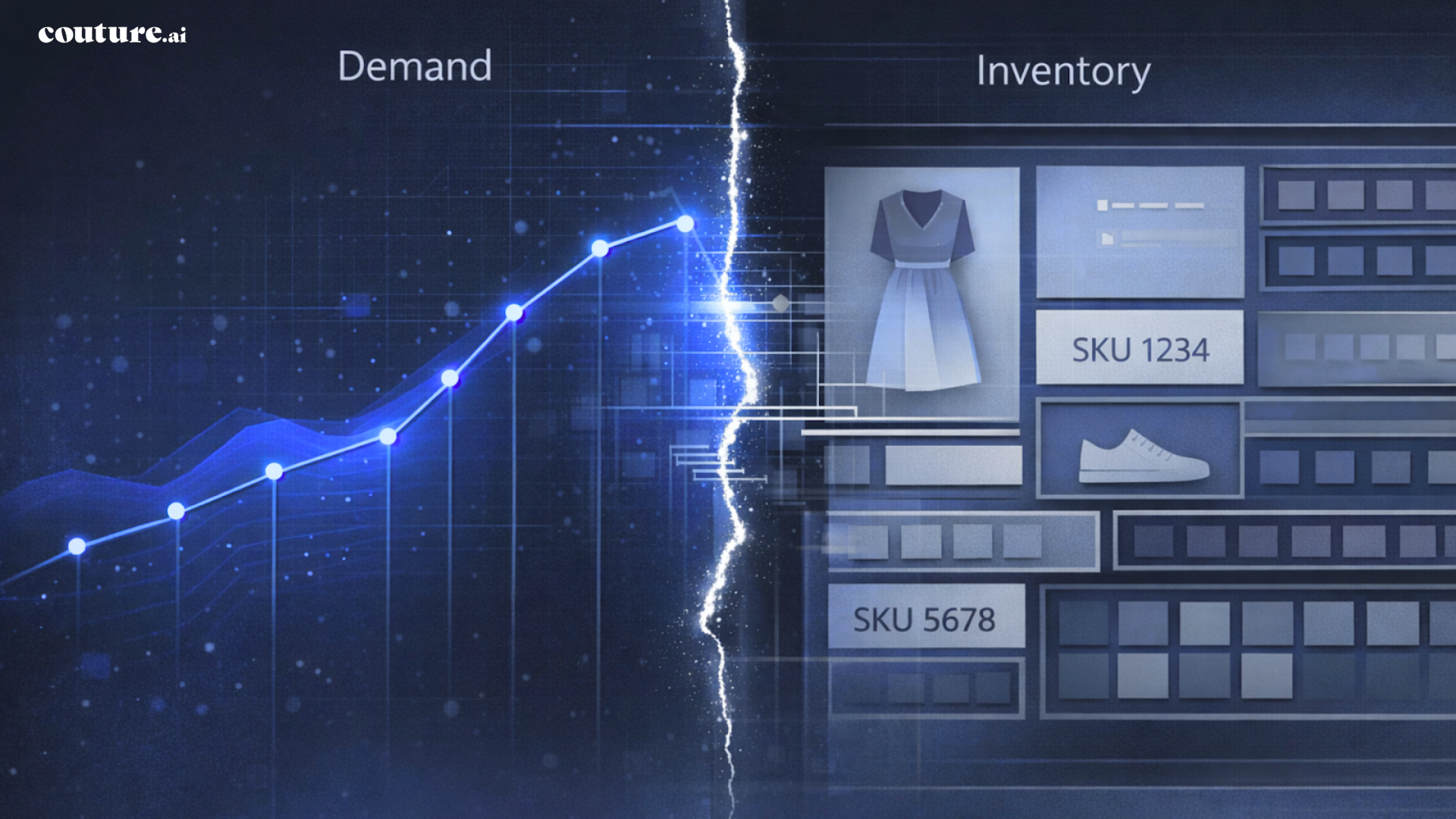
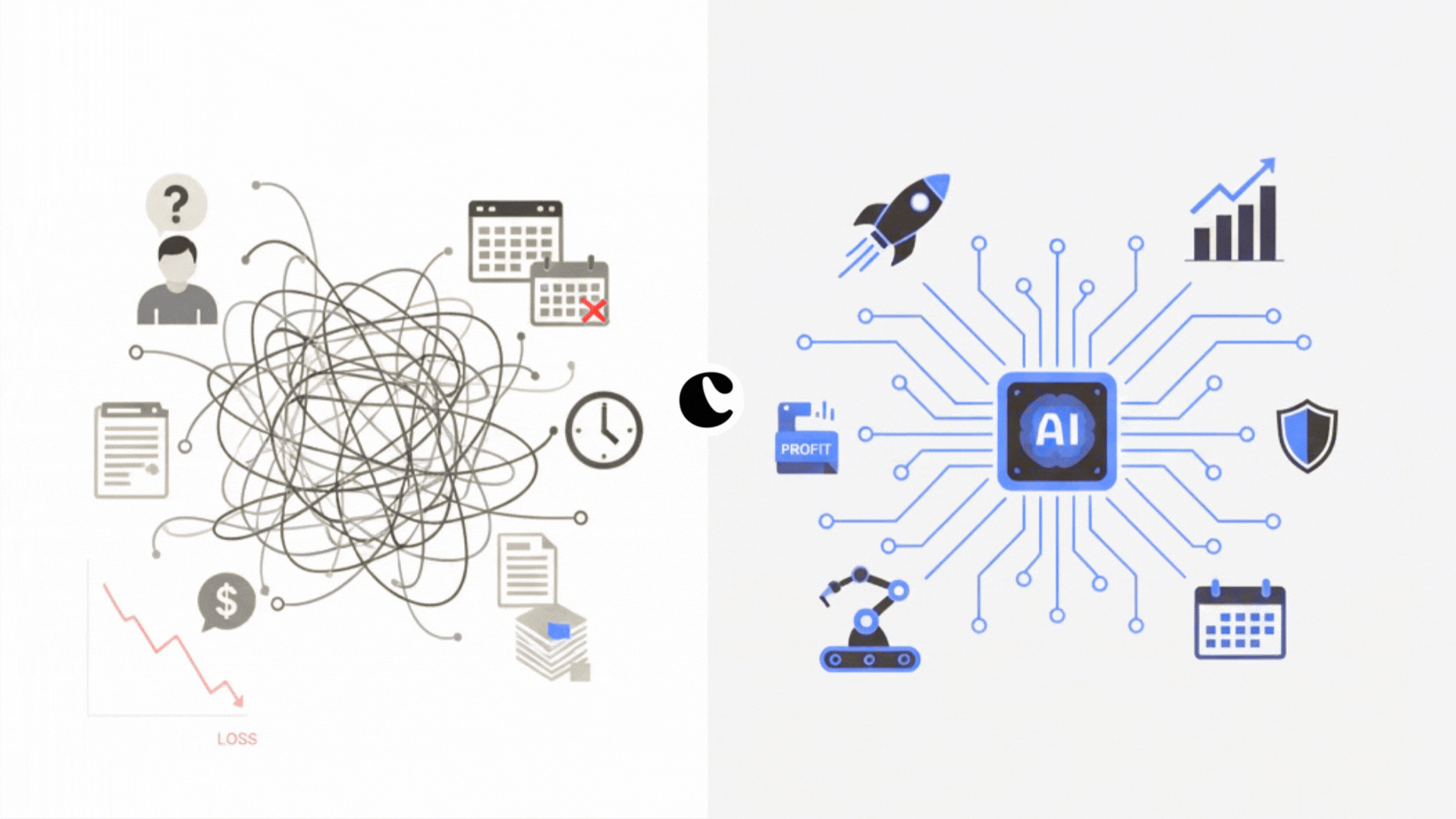
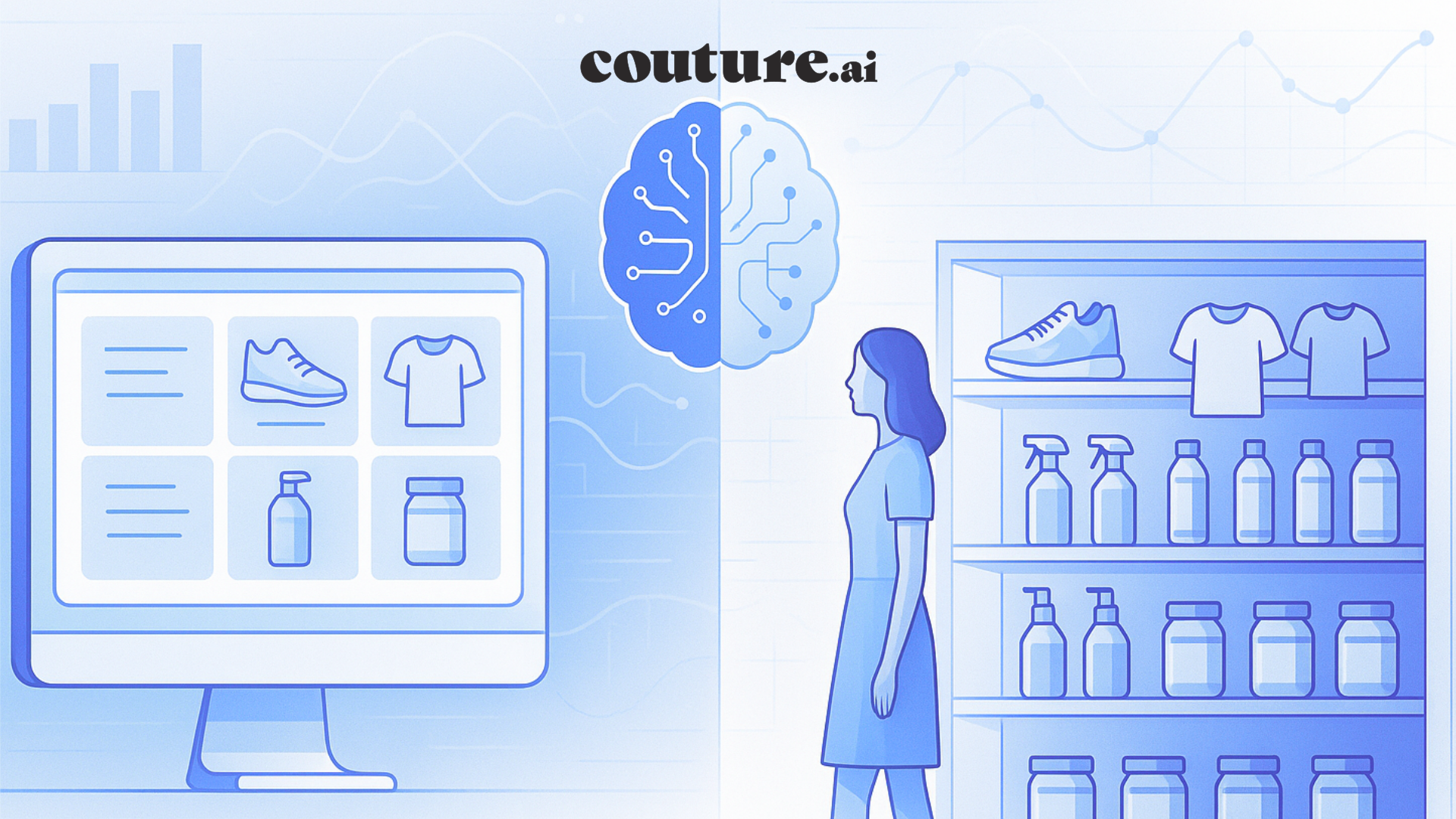
E-commerce product discovery is supposed to help shoppers find the right product. Merchandising is supposed to help teams decide what to show, where, and when.
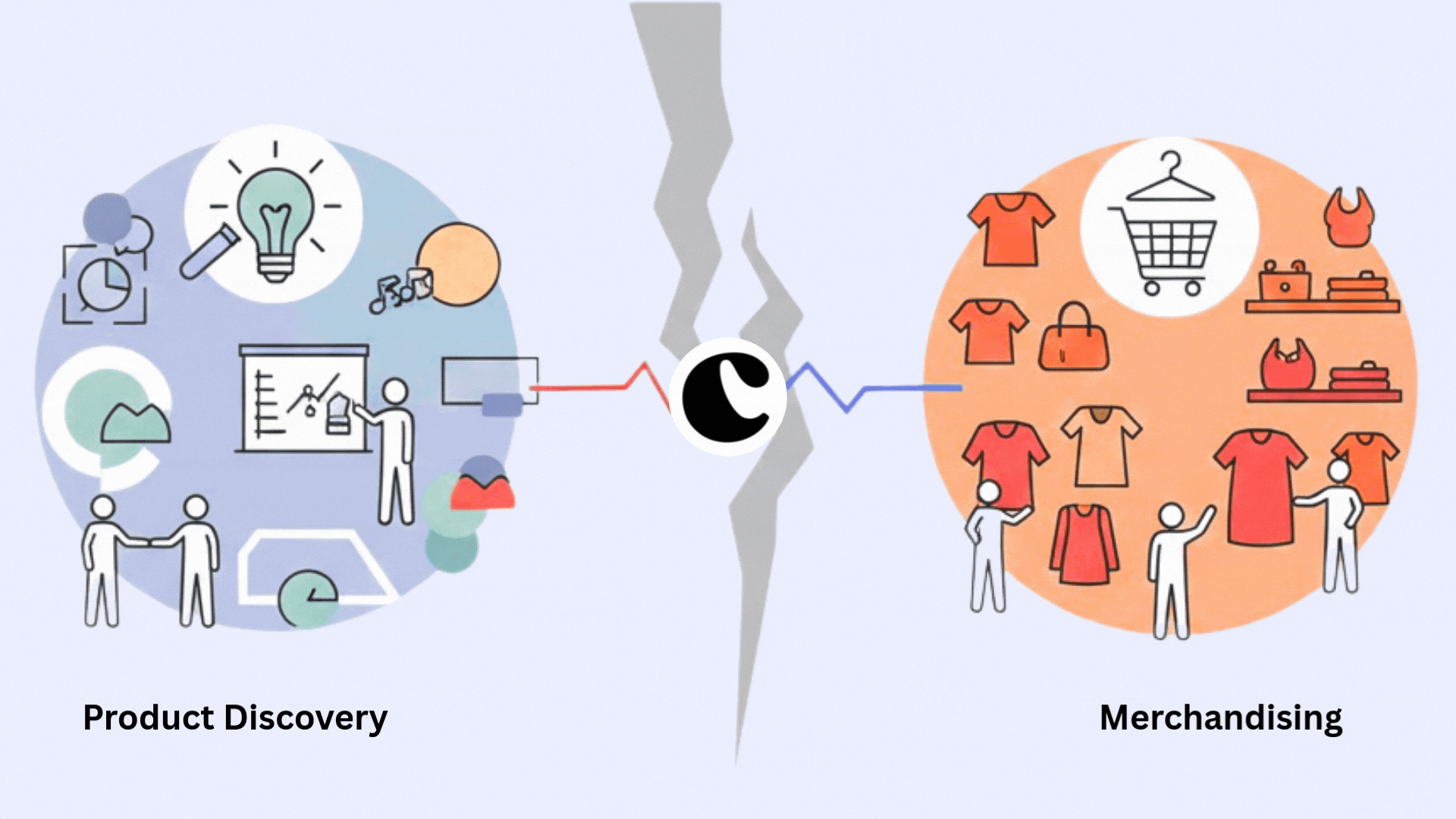
So why do these two functions behave like they’re from different planets?
And here’s the surprising part: The gap exists because your data, content, and workflows aren’t conveying the same visual language.
Let’s break this down further in the blog below.
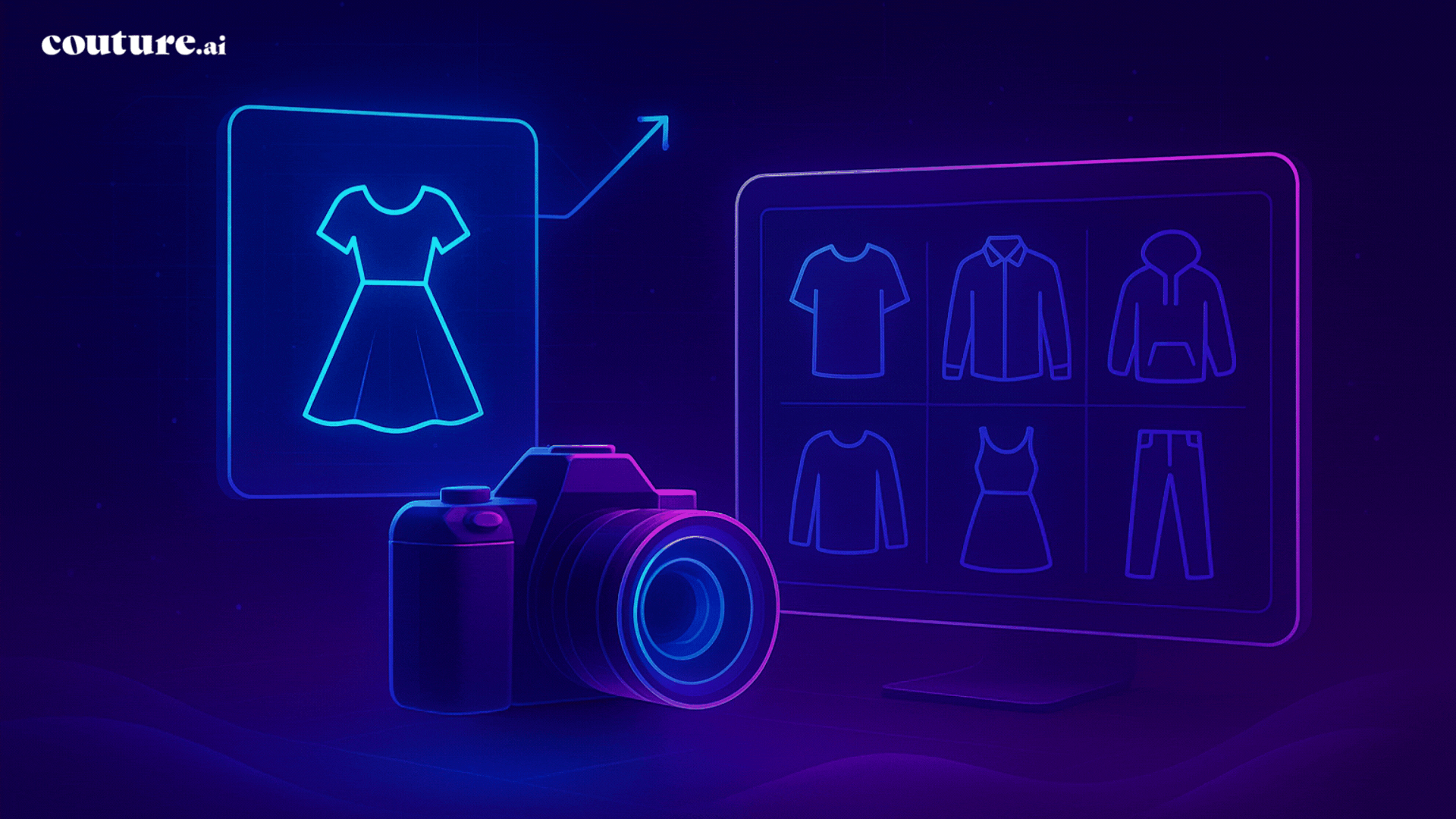
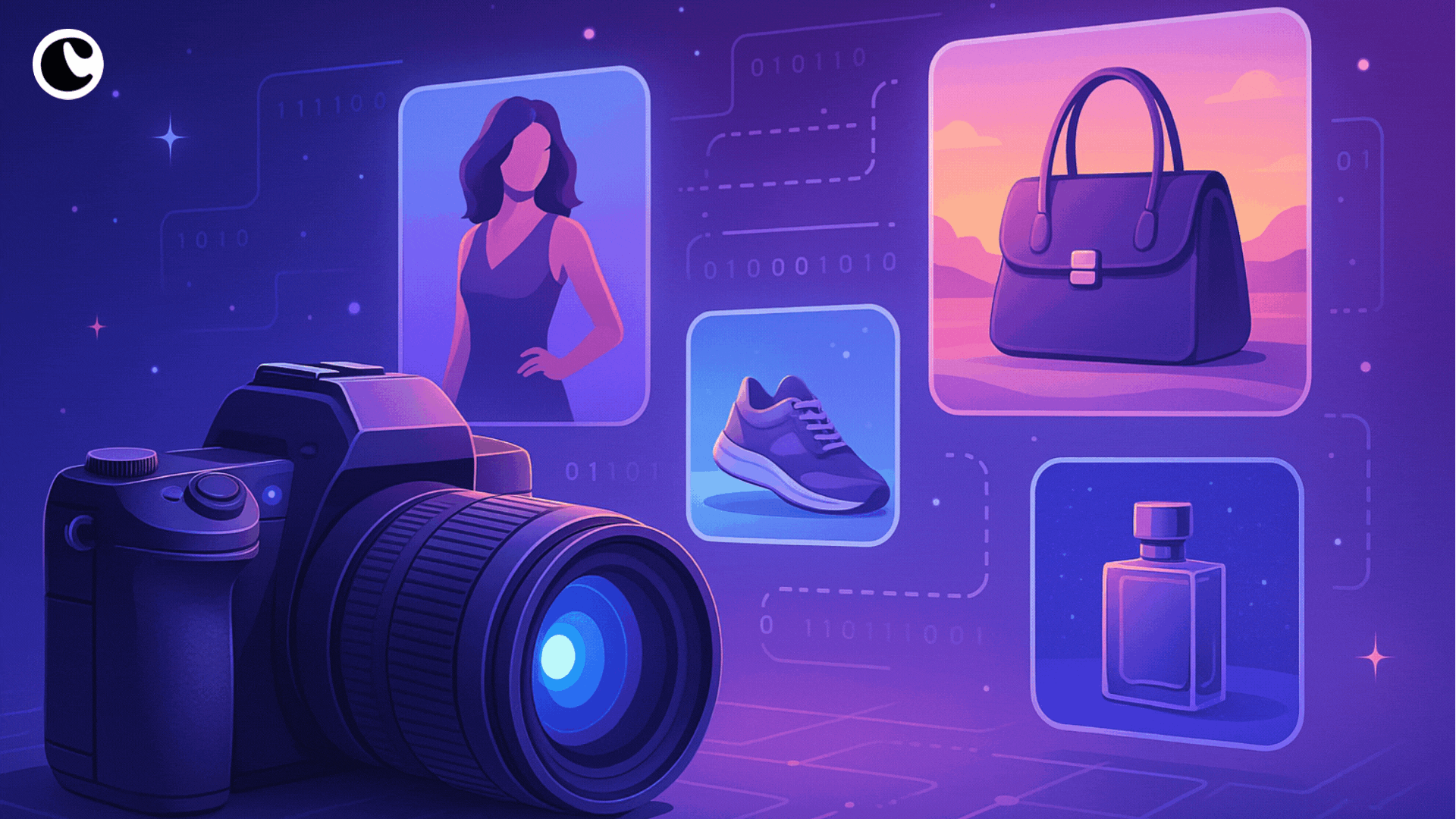
Let’s explore how AI photography evolves beyond a creative upgrade.
It becomes the bridge.
Adobe found that when a site is optimized for performance, organic search traffic converts at 14.6%, versus 10% for paid traffic.
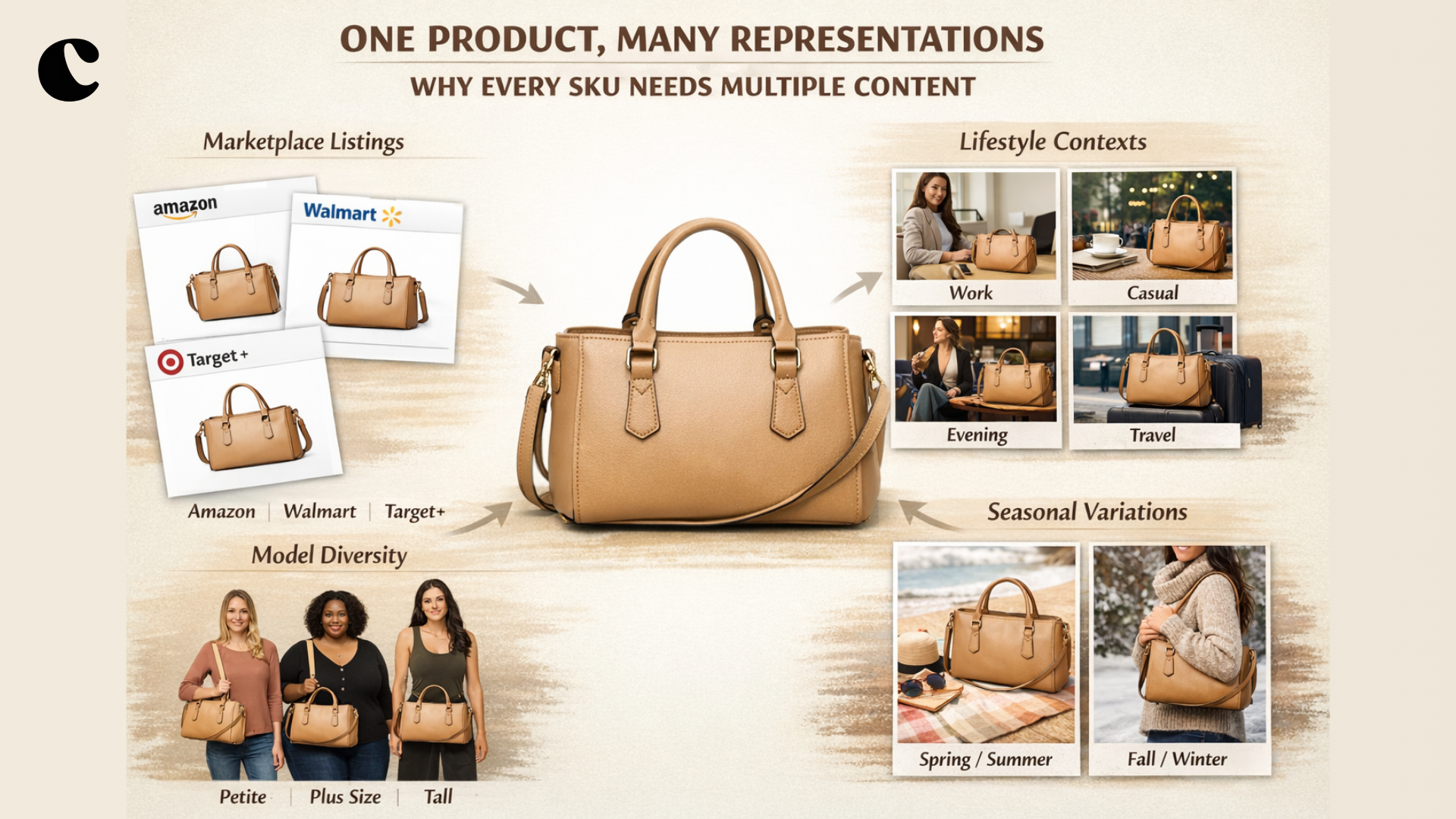
When product images vary in lighting, angle, styling, or background, here’s what happens:
A study shows that visitors who use site search convert at 4.63% vs ~2.77% average~ - advanced search features increase conversion by ~43%.
Discovery and merchandising finally speak the same language - indeed, the language of visuals.
Let’s call out the actual blockers
The average e-commerce conversion rate globally is ~3.06% - for some categories like Fashion, it’s ~3.18%
Teams still move products up and down categories based on just a gut instinct.
That’s slow. And to be honest, it’s outdated.
Only about 34% of major sites support the key types of queries users actually conduct.
If your images don’t highlight what shoppers care about, the algorithm won’t pick them up.
Around 43% of online shoppers head directly to the search bar, and those using it are 2-3× more likely to convert.
In fact, Baymard found that 31% of product-finding tasks on major sites ended without success.
Traditional shoots don’t adapt to:
But AI photography can. From creating new backgrounds to refreshing category visuals, it adjusts at the same speed as discovery changes.
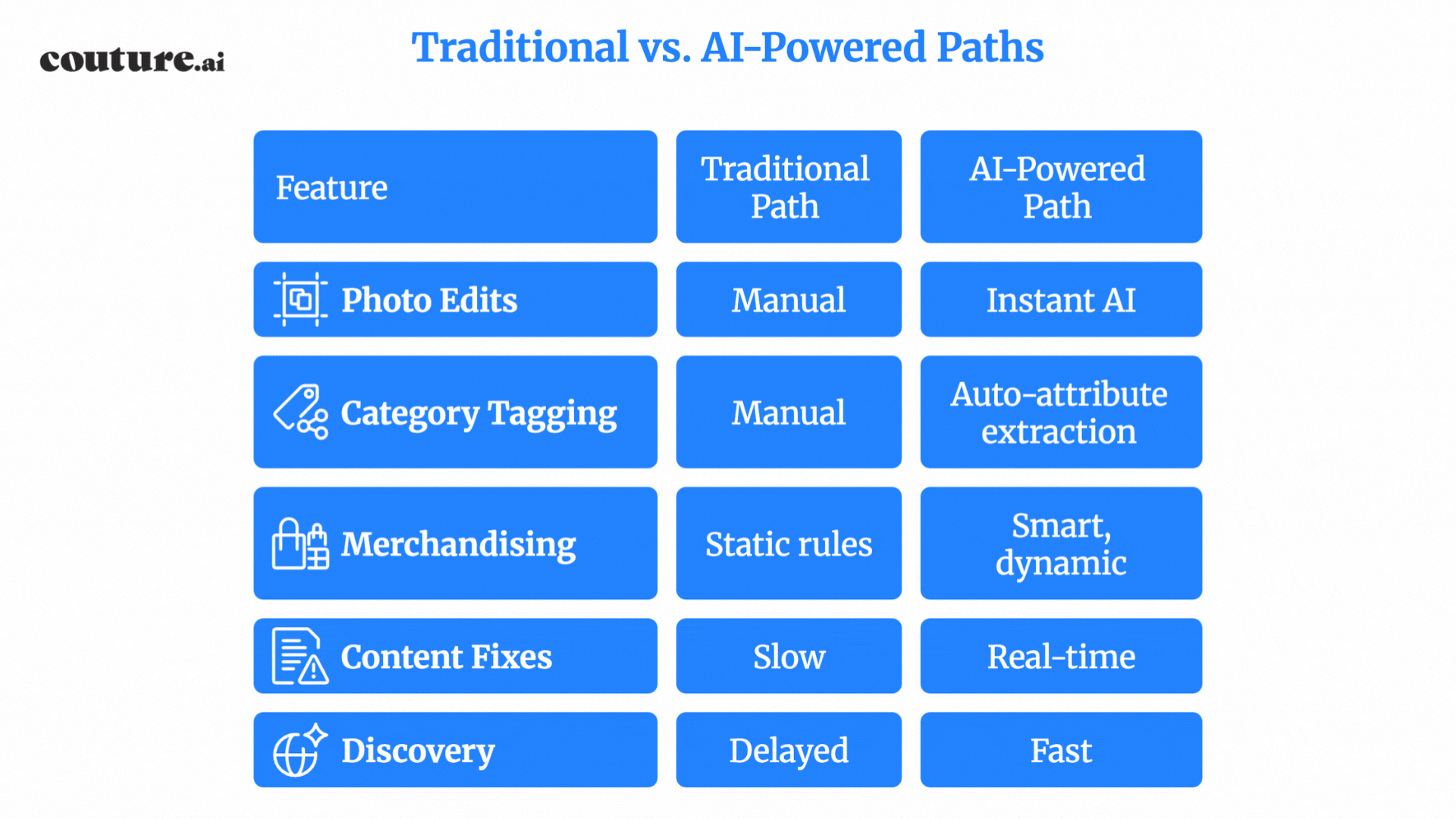
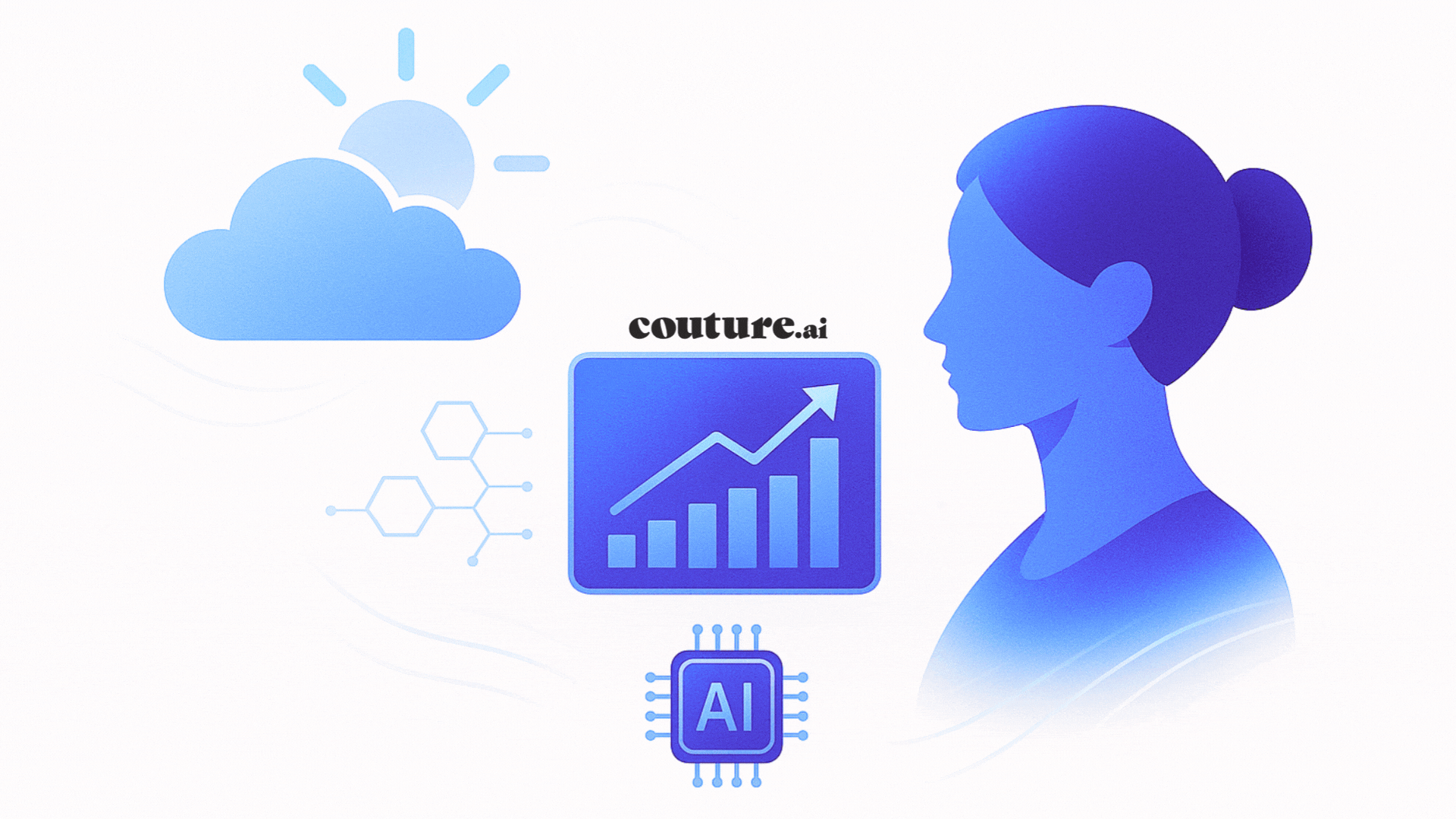
If you want your discovery and merchandising systems to work in sync, take a quick look at the Retail AI Stack at Couture.ai. It’s built for teams that want smarter workflows across search, photography, and on-site experience.
Most merchandising platforms today haven’t developed enough.
But here’s the interesting shift we’re seeing:
Merchandising is becoming visual-first. And AI photography is accelerating it.
These two separate technologies complement each other.
Shoppers expect:
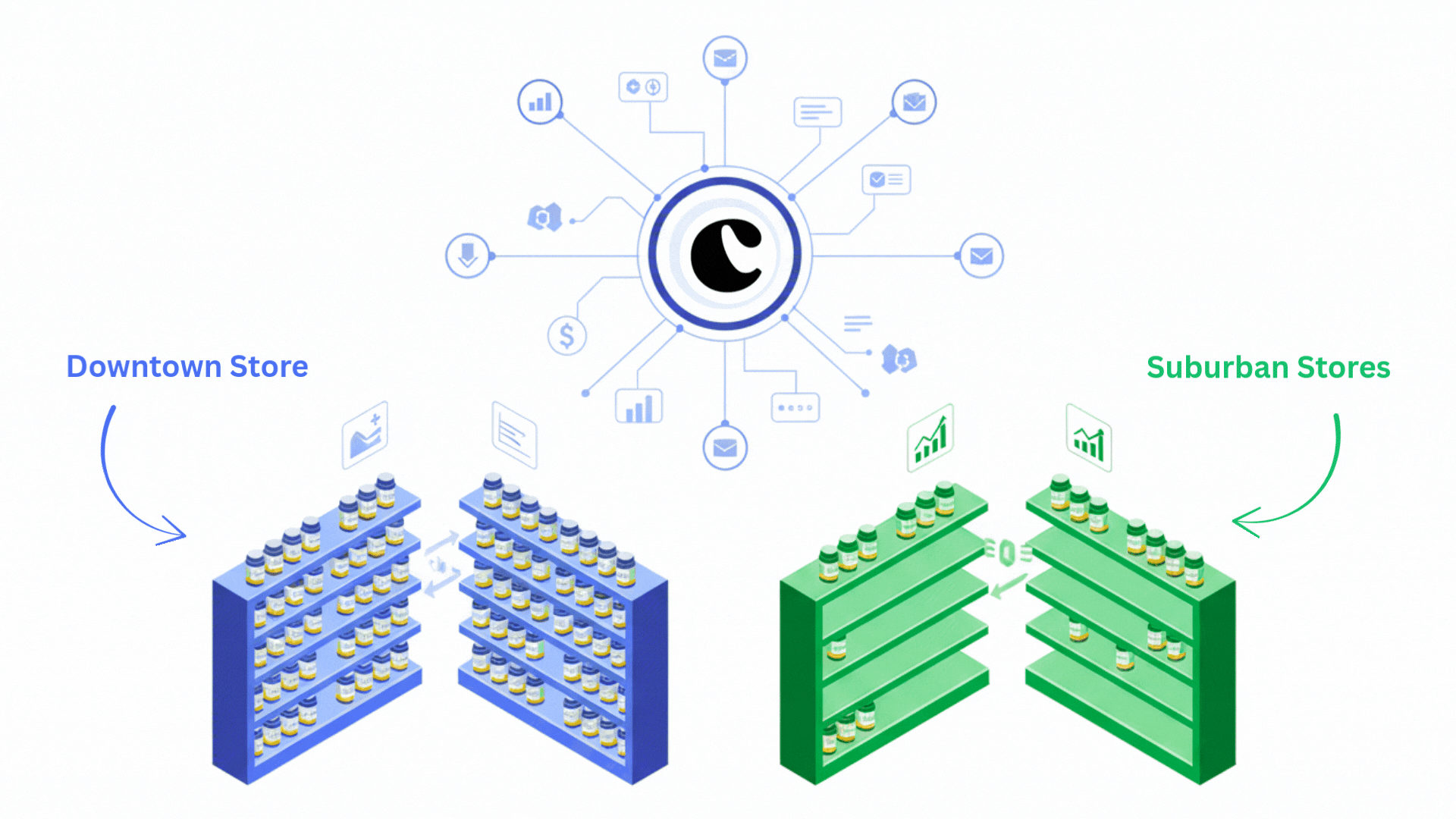
And the only way to achieve both is to unify discovery plus merchandising through consistent visuals.
By now, we have a clear picture:
When visuals are consistent, everything downstream improves.
E-commerce product discovery and merchandising don’t talk to each other because the content behind them isn’t aligned properly. When your team fixes product photography with AI, you can witness that the entire chain is fixed.
If you want to see how top retail brands align their photography, discovery, and merchandising workflows, you can explore Couture.ai and book a free call directly.
It’s a simple way to see how a smart retail stack fits your product discovery workflow.
Subscribe to get the latest updates and trends in AI, automation, and intelligent solutions — directly in your inbox.
Stay Informed: Insights and Trends from Couture AI
Reduce operational complexity, improve planning accuracy, and deliver smarter retail execution with Couture AI.